

Calcined Mica Paper Production Process: A Detailed Guide
Mica paper, a high-performance insulation material, is widely used in electrical, automotive, and aerospace industries. Among its production methods, the calcined process stands out for enhancing mica’s electrical properties and mechanical strength. This guide delves into the step-by-step calcined mica paper production process, focusing on raw material preparation, calcination, chemical treatment, and papermaking.
Raw Material Selection and Preparation
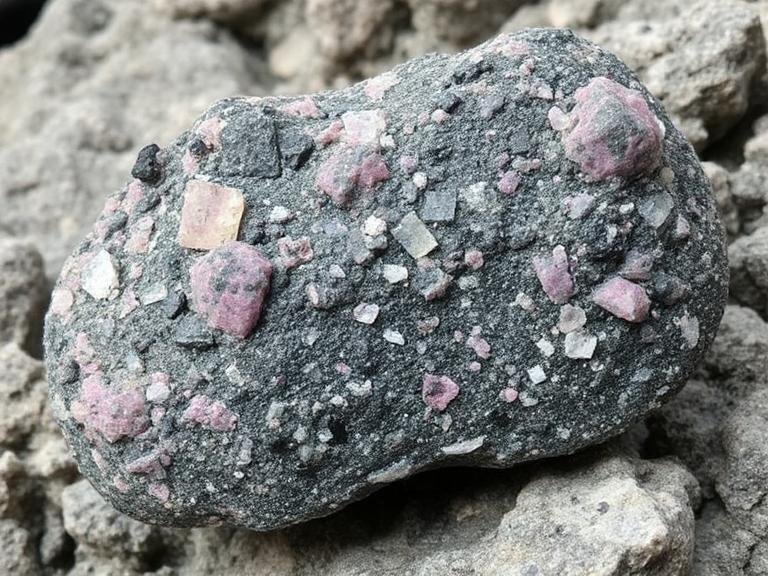
The foundation of calcined mica paper production lies in selecting high-quality raw materials. Typically, fragmented mica flakes and processing scraps from sheet mica production serve as primary inputs. These materials undergo rigorous screening to remove impurities such as black mica, green mica, and foreign particles like sand and stones.
To ensure optimal calcination results, mica flakes thicker than 1.2mm are excluded, as they hinder uniform heat distribution during the process. The selected mica is then washed in rotating or vibrating screens to eliminate residual mud and fine particles smaller than 0.5mm, which could affect paper quality. After washing, the mica retains 20-25% moisture, which is reduced to below 2% through steam-heated belt dryers to prepare it for calcination.
Calcination Process: Transforming Mica Structure
Calcination involves heating mica to 700-800°C for 50-80 minutes in indirectly heated rotary kilns. This controlled thermal treatment removes approximately 50% of the crystalline water within the mica lattice, causing the flakes to expand perpendicular to their cleavage planes. The result is softer, more porous mica with enhanced susceptibility to chemical splitting.
During calcination, uniform heat distribution is critical. Rotary kilns rotate continuously to ensure even exposure, preventing localized overheating that could degrade mica quality. Post-calcination, the material—now termed “calcined mica熟料” (calcined mica clinker)—is screened to remove residual impurities like mud, ash, and fragments smaller than 6mm, ensuring purity for subsequent processing.
Chemical Treatment: Enhancing Dispersion and Purity
The calcined mica undergoes chemical treatment to facilitate its transformation into a papermaking pulp. Two primary methods are employed:
Acid-Base Treatment
Calcined mica is immersed in a 2-10% sodium carbonate solution for 5-30 minutes, followed by transfer to a 2-3% hydrochloric or sulfuric acid bath for 10-60 minutes. The neutralization reaction between the acid and sodium carbonate generates carbon dioxide gas, which further expands the mica flakes. Mechanical stirring aids in flake separation, while subsequent water washing removes soluble impurities, yielding a clean, dispersed pulp.
Ammonium Carbonate Treatment
Alternatively, calcined mica is soaked in an ammonium carbonate solution, then heated to 100-400°C in a reactor. Decomposition of ammonium carbonate into carbon dioxide and ammonia gas induces mica flake expansion. This method offers precise control over flake size and purity, though it requires careful temperature management to avoid over-fragmentation.
Papermaking Process: From Pulp to Final Product
The chemically treated mica pulp is diluted to a 0.3-0.7% concentration and fed into a papermaking machine’s wire section. Here, a vacuum dewatering system removes excess water, forming a wet mica mat. The mat is then transferred to a press section, where it undergoes two-stage compression under high linear pressure. This step reduces interflake gaps, enhancing paper density and electrical insulation properties while achieving a final moisture content of approximately 0.7%.
The pressed mica paper enters a drying section equipped with upper and lower drying cylinders heated by steam. Drying temperatures are maintained below 90°C to prevent paper delamination or blistering. Proper ventilation is essential to expel water vapor, avoiding condensation that could cause surface defects. Finally, the dried paper is wound into rolls by a rewinding machine, ready for cutting into specified dimensions or further processing into composite materials.
Quality Control and Applications
Throughout production, strict quality checks ensure compliance with electrical insulation standards. Key parameters monitored include moisture content (0.2-0.5%), tensile strength, and dielectric breakdown voltage. Calcined mica paper, with its superior thermal stability and electrical resistance, is indispensable in high-voltage motors, generators, and capacitors, where performance under extreme conditions is paramount.
By mastering the calcined production process, manufacturers can produce mica paper that meets the stringent demands of modern industrial applications, combining traditional material excellence with advanced processing techniques.