
Pollution Prevention in Lepidolite Lithium Extraction: Operational Precautions That Actually Work
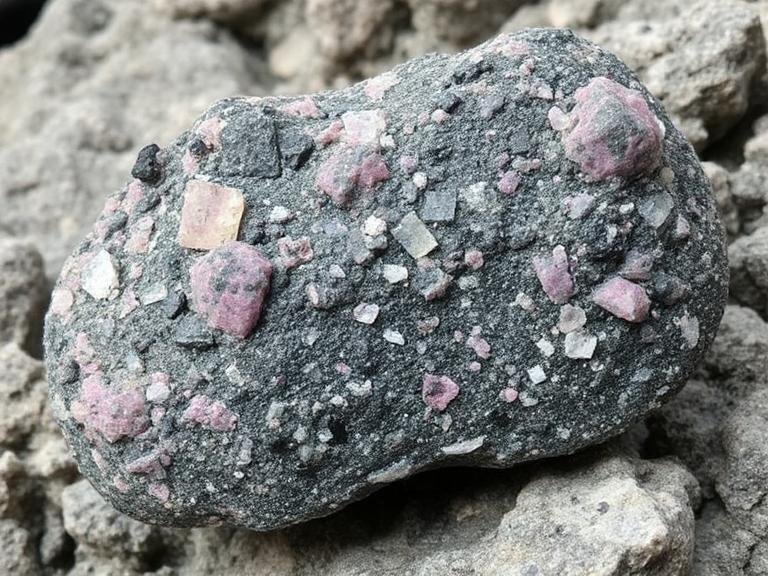
Lepidolite sits in the ground looking harmless enough — a soft, flaky mineral with a pearlescent sheen. But the moment you start pulling lithium out of it, everything around the plant turns hostile. Fluorine gas eats through steel. Sulfur compounds poison the air. Tons of alkaline slag pile up behind the facility. Wastewater runs thick with dissolved metals. This is not a process that forgives sloppy operations. Every shortcut you take shows up in the emissions data, the waste pile, or the fine from the environmental bureau.
Getting lithium out of lepidolite without trashing the surrounding environment is not optional anymore. It is the difference between a permit that gets renewed and one that does not. Here is what actually matters when you are running a lepidolite extraction operation and you need to keep the pollution under control.
Fluorine Gas Is the Number One Enemy — Treat It Like One
Lepidolite contains 4 to 6 percent fluorine by weight. When you heat it, especially above 800 degrees Celsius during roasting, that fluorine does not stay put. It converts to hydrogen fluoride (HF) and silicon tetrafluoride (SiF4) — both extremely corrosive, both toxic, both capable of destroying equipment and poisoning workers within minutes of exposure.
Fix the Fluorine Before It Escapes
The single most effective pollution control step in any lepidolite lithium extraction plant is fluorine fixation. This means adding a fluorine-capturing agent — typically lime (CaO) or calcium carbonate (CaCO3) — directly into the roasting feed or into the gas stream before it leaves the kiln. The calcium reacts with HF to form calcium fluoride (CaF2), a stable solid that stays in the slag instead of flying out the stack.
Do not skimp on the dosage. Under-dosing calcium means free HF still reaches the exhaust system, where it corrodes ductwork, destroys bag filters, and releases into the atmosphere. The sweet spot is usually 2 to 5 percent calcium-based additive by total feed mass, but you need to adjust based on the actual fluorine content of your ore. Run fluorine balance calculations every time the ore source changes.
Scrub the Exhaust Gas Thoroughly
Even with fluorine fixation in the roast, some HF and SiF4 will still make it into the off-gas. A wet scrubber using alkaline solution — typically sodium hydroxide or lime slurry — is mandatory. The scrubber liquid must be maintained at a pH above 10 to ensure complete neutralization of acidic gases. Monitor the scrubber effluent pH continuously. When it drops below 9, the scrubbing efficiency collapses and you are venting acid gas.
For plants using the sulfate roasting method, the off-gas also carries sulfur dioxide (SO2) from the decomposition of sulfate additives. This requires a separate desulfurization stage or a combined alkali scrubber capable of handling both HF and SO2 simultaneously. Do not assume one scrubber does both jobs well — test it regularly.
Wastewater Management: The Silent Compliance Killer
Most operators focus on air emissions and forget about the water. That is a mistake. Lepidolite extraction generates wastewater loaded with lithium, aluminum, fluoride, sulfate, and residual acid or alkali. Discharging this untreated is not just illegal — it is an environmental disaster waiting to happen.
Segregate Your Waste Streams from the Start
Do not dump all process water into one holding pond and hope for the best. Separate the streams at the source. Acidic leachate from sulfuric acid processes needs neutralization before it meets alkaline wash water. Fluoride-rich streams need dedicated treatment because fluoride does not behave like other anions — it passes through many conventional treatment systems without being removed.
The most effective approach is a multi-stage system. First, neutralize pH to precipitate aluminum and iron as hydroxides. Then, add calcium chloride to precipitate fluoride as CaF2. Finally, pass the clarified water through adsorption media or ion exchange resins to catch remaining lithium and trace metals before discharge. Each stage has a specific job. Bypassing any one of them means you are releasing something you should not be.
Watch the Fluoride in Your Effluent
Fluoride is the parameter that environmental inspectors check first. The discharge limit in most jurisdictions is below 10 mg/L, and some regions require below 5 mg/L. Standard precipitation with lime gets you close, but if your influent fluoride is above 500 mg/L, you will need a two-stage precipitation or a dedicated fluoride removal unit. Do not rely on dilution to meet limits. Dilution is not a treatment method, and regulators know it.
Solid Waste Handling: The Problem Everyone Underestimates
Here is a number that should scare you: traditional lepidolite extraction produces 20 to 40 tons of solid waste for every single ton of lithium carbonate produced. That waste is alkaline, often contains residual fluoride, and can leach heavy metals into groundwater if not managed properly.
Reduce Slag Volume at the Source
The best way to handle waste is to make less of it. Modern sulfate roasting processes with optimized additive ratios and improved roasting curves have cut slag generation by over 90 percent compared to older limestone roasting methods. If you are still running a process that produces 30 tons of slag per ton of product, you are burning money on waste disposal and creating a liability that will catch up with you.
Recover the byproducts. The slag from lepidolite processing contains silicon, aluminum, potassium, and sometimes rubidium and cesium. Selling or reusing these materials — as cement additives, glass raw materials, or soil conditioners — does not just reduce your waste footprint. It offsets your production cost. Some advanced operations now recover over 98 percent of the silicon and over 80 percent of the rubidium and cesium, turning what used to be a disposal problem into a revenue stream.
Store Waste Properly or It Becomes a Contamination Event
Alkaline slag dust is hygroscopic. It absorbs moisture from the air, dissolves, and creates a highly alkaline leachate that can raise the pH of nearby soil and water to dangerous levels. Store slag in covered, lined piles with leachate collection systems. Do not let it sit exposed to rain. A single heavy storm on an uncovered slag pile can create a runoff event that contaminates a watershed and shuts down your operation for months.
Equipment Corrosion Is Itself a Pollution Source
When acid eats through a pipe or a valve, you do not just lose production time. You lose containment. A corroded reactor leaking sulfuric acid into the ground is a pollution incident. A failed heat exchanger releasing fluoride-laden condensate into the sewer is a regulatory violation.
Select Materials That Match Your Chemistry
Sulfuric acid processes demand acid-resistant alloys or lined carbon steel. Chloride roasting processes — which use NaCl or KCl — require nickel-based alloys or titanium because chloride ions will destroy stainless steel in weeks. Do not use standard carbon steel in any wet section of a lepidolite plant unless the process chemistry is genuinely mild, and in lepidolite extraction, it almost never is.
Inspect corrosion-prone equipment on a scheduled basis, not when something fails. Wall thickness measurements on reactors, heat exchangers, and piping should be part of your routine maintenance calendar. A 2 millimeter wall loss on a pipe carrying hot acidic leachate is not a maintenance item — it is a ticking time bomb.
Keep the System Closed Wherever Possible
Open handling of lepidolite feed, roasted material, or leach slurry releases dust and fumes into the workplace and the surrounding area. Enclose conveyors, use sealed hoppers, and maintain negative pressure in processing areas. This is not just about worker safety — it is about preventing fugitive emissions that contribute to ambient pollution. A plant with good enclosure and dust collection will have dramatically lower stack emissions than one that relies on open transfers and hope.
Emergency Preparedness: When Prevention Fails
No matter how well you operate, something will go wrong. A scrubber pump will fail. A pipe will rupture. A storm will overwhelm your leachate pond. The question is whether you have a plan.
Keep neutralizing agents on hand — lime slurry for acid spills, citric acid for alkali spills. Have containment booms and absorbent materials near every liquid storage area. Train every shift on the emergency response procedure, not just the management team. An uncontrolled release that lasts two hours because nobody knew where the emergency neutralizer was stored is a pollution event that could have been a minor incident.
Monitor your stack emissions continuously if your local regulations require it. Even if they do not, install the sensors. You cannot manage what you do not measure, and a sudden spike in HF or SO2 is your early warning system. Catching it at the stack is infinitely better than catching it in the news.