
Enhancing Asphalt Moisture Resistance with Mica Powder: Addition Standards and Practices
Understanding the Role of Mica Powder in Asphalt Modification
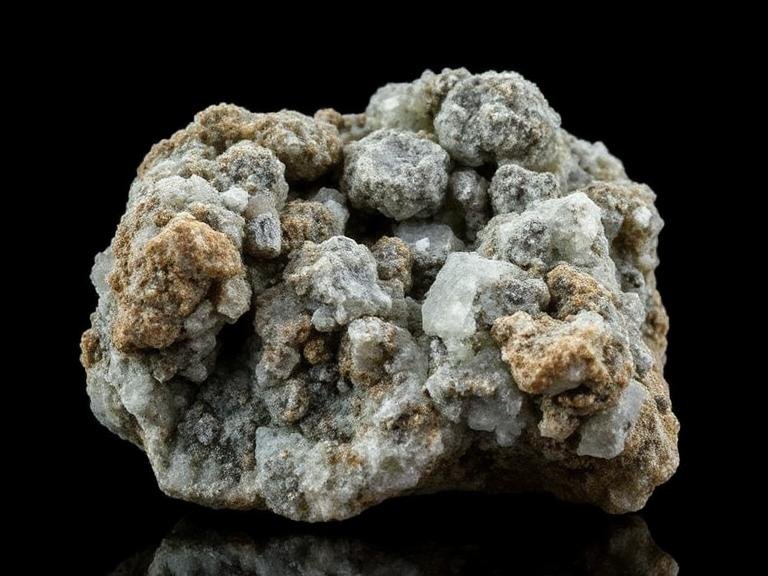
Mica powder, derived from natural mica ore through grinding and purification, exhibits exceptional properties such as high-temperature resistance, acid and alkali resistance, and electrical insulation. When incorporated into asphalt, it enhances the material’s toughness, dimensional stability, and thermal endurance. Studies indicate that mica powder improves the suspension of liquid asphalt and additives, making it an ideal filler for modifying asphalt to resist moisture and heat.
Key Benefits of Mica Powder in Asphalt
- Thermal Stability: Mica powder reduces the temperature sensitivity of asphalt, enabling it to maintain structural integrity under extreme heat. This property is particularly valuable in roofing applications, where prolonged exposure to sunlight can degrade conventional asphalt.
- Moisture Resistance: The layered structure of mica powder creates a barrier that repels water, preventing moisture penetration and subsequent damage to underlying structures. This makes it effective in damp or humid environments.
- UV Protection: Mica powder reflects ultraviolet rays, slowing down the aging process of asphalt and extending its service life. This is crucial for outdoor applications exposed to sunlight.
Optimal Addition Standards for Mica Powder in Asphalt
The performance of mica-modified asphalt depends on the correct dosage and preparation method. Below are the recommended standards for adding mica powder to asphalt.
Determining the Right Dosage
- General Range: The optimal dosage of mica powder in asphalt typically falls between 10% and 15% by weight. This range balances performance enhancement with cost-effectiveness.
- Experiment-Based Adjustment: For specific applications, such as high-traffic roads or industrial roofing, the dosage can be adjusted based on experimental results. For instance, research suggests that a 7% addition of mica powder significantly improves the high-temperature stability and water resistance of asphalt mixtures.
- Avoid Over-Addition: Exceeding the recommended dosage may lead to reduced workability and increased viscosity, making the asphalt difficult to apply and compact.
Preparation Method
- Heating the Base Asphalt: Begin by heating the base asphalt to 160°C–180°C to remove moisture and ensure proper fluidity.
- Adding Modifiers: Gradually introduce polymer modifiers like SBS (Styrene-Butadiene-Styrene) and SBR (Styrene-Butadiene Rubber) into the heated asphalt. Stir continuously for 2–3 hours until fully dissolved.
- Incorporating Mica Powder: Once the modifiers are dissolved, slowly add the mica powder while stirring. Continue mixing for 1–2 hours to ensure uniform dispersion. The high shear force generated by the mixer helps break down agglomerates and achieve a homogeneous mixture.
- Final Stirring: After adding all components, stir the mixture for an additional 30 minutes to eliminate air bubbles and ensure consistency.
Application Techniques for Mica-Modified Asphalt
Proper application is crucial to maximize the benefits of mica-modified asphalt. Below are the key techniques for different scenarios.
Roofing Applications
- Surface Preparation: Ensure the roofing substrate is clean, dry, and free of debris. Apply a primer to improve adhesion between the substrate and the asphalt layer.
- Coating Application: Use a brush or sprayer to apply the mica-modified asphalt evenly. For roofing membranes, pour the asphalt onto the substrate and spread it using a roller or trowel. Maintain a thickness of 1–1.5 mm for optimal performance.
- Seam Treatment: Pay special attention to seams and joints, as these are vulnerable points for moisture ingress. Apply an additional layer of mica-modified asphalt along the seams and press firmly to ensure a tight seal.
Road Construction
- Mixing with Aggregates: Combine the mica-modified asphalt with aggregates in a mixer. The mixing temperature should be maintained between 160°C–180°C to ensure proper coating of the aggregates.
- Compaction: Use a roller to compact the asphalt mixture immediately after laying. Aim for a compaction degree of 95% or higher to achieve maximum density and durability.
- Edge Sealing: Seal the edges of the road surface with mica-modified asphalt to prevent water from seeping into the subgrade. This step is particularly important in areas prone to heavy rainfall.
Maintenance and Inspection of Mica-Modified Asphalt Structures
Regular maintenance and inspection are essential to prolong the lifespan of mica-modified asphalt structures.
Visual Inspection
- Check for Cracks: Periodically inspect the surface for cracks or signs of wear. Small cracks can be sealed with mica-modified asphalt to prevent further deterioration.
- Monitor Drainage: Ensure that drainage systems are functioning properly. Standing water can accelerate the degradation of asphalt, even when modified with mica powder.
Reapplication of Mica-Modified Asphalt
- Surface Renewal: Over time, the protective layer of mica-modified asphalt may wear down. Reapply a fresh coat every 3–5 years, depending on the level of exposure and traffic.
- Spot Repairs: For localized damage, such as potholes or utility cuts, use mica-modified asphalt for repairs. This ensures consistency in performance and appearance.
By following these standards and techniques, mica-modified asphalt can provide superior moisture resistance, thermal stability, and durability for a wide range of applications. Whether used in roofing or road construction, this modified material offers a cost-effective solution for enhancing the performance of traditional asphalt.