
Specifications for Mica Sheet Insulation in Lightning Arrester Applications
Understanding the Role of Mica Sheets in Lightning Arresters
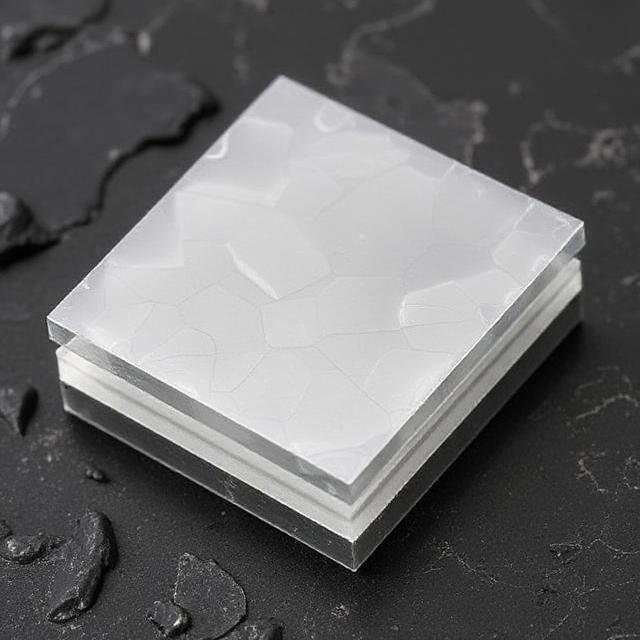
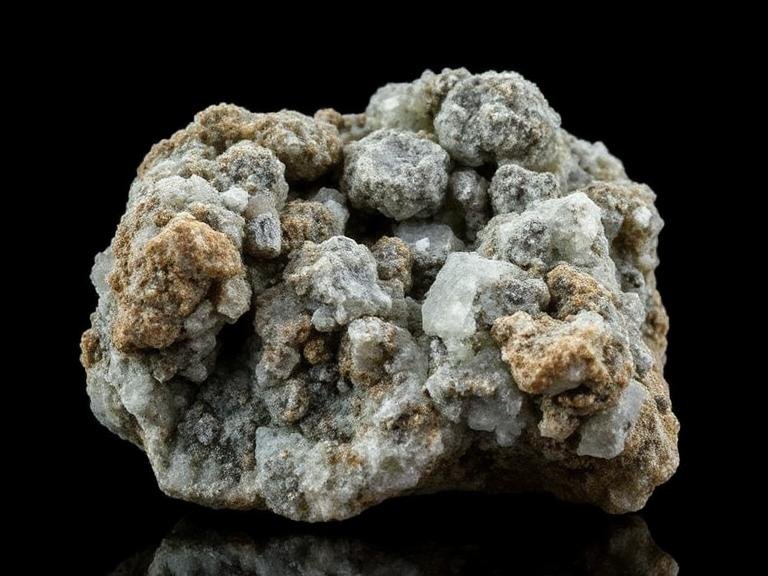
Mica sheets, composed of layered silicate minerals with exceptional thermal and electrical insulation properties, are integral to lightning arrester systems. These arresters protect electrical equipment from overvoltage transients caused by lightning strikes or switching surges. Mica’s high dielectric strength, thermal stability, and resistance to electrical breakdown make it an ideal material for insulating components within arresters, ensuring reliable operation under extreme conditions.
Key Properties of Mica Sheets
- Dielectric Strength: Mica sheets can withstand electric fields exceeding 20 kV/mm, depending on thickness and purity, preventing premature breakdown during voltage surges.
- Thermal Resistance: Withstanding continuous temperatures up to 1000°C, mica remains stable during thermal cycling caused by arcing events in arresters.
- Mechanical Durability: High tensile strength and flexibility allow mica sheets to maintain structural integrity under mechanical stress from vibrations or thermal expansion.
- Chemical Inertness: Resistant to moisture, oils, and corrosive gases, mica ensures long-term reliability in harsh environments.
Applications of Mica Sheets in Lightning Arresters
Spark Gap Insulation
In spark gap arresters, mica sheets serve as insulating barriers between electrodes. These gaps ionize during overvoltage events, creating a low-resistance path to ground. Mica’s role includes:
- Preventing Premature Breakdown: By maintaining a consistent gap distance, mica ensures the arrester activates only at the designed voltage threshold.
- Withstanding Arc Temperatures: During discharge, arcs generate temperatures exceeding 3000°C. Mica’s high melting point and thermal conductivity dissipate heat, protecting surrounding components.
- Example Configuration: A typical spark gap arrester uses mica sheets with thicknesses ranging from 0.5 mm to 2 mm, depending on the voltage rating. Thicker sheets provide greater insulation for higher-voltage applications.
Valve-Type Arrester Components
Valve-type arresters combine spark gaps with nonlinear resistors (e.g., silicon carbide or metal oxide varistors) to limit residual voltage. Mica sheets are used in:
- Resistor Mounting: Mica provides electrical insulation between the resistor elements and the arrester housing, preventing short circuits.
- Thermal Management: Mica’s low thermal conductivity helps isolate heat generated by the resistors, reducing thermal stress on adjacent components.
- Material Specifications: For resistor insulation, mica sheets with a thickness of 0.2 mm to 0.5 mm are common, ensuring compact design without compromising dielectric performance.
Composite Insulation Systems
Modern arresters often integrate mica with other materials (e.g., epoxy resins, glass fibers) to enhance performance:
- Mica-Epoxy Composites: These combine mica’s thermal stability with epoxy’s mechanical strength, creating durable insulation for high-voltage arresters.
- Layered Structures: Alternating layers of mica and resin improve dielectric strength and resistance to partial discharges, extending service life.
- Design Considerations: Composite systems may use mica sheets with thicknesses from 0.1 mm to 1 mm, optimized for specific voltage classes and environmental conditions.
Selection Criteria for Mica Sheets in Lightning Arresters
Voltage Rating
The thickness and purity of mica sheets must align with the arrester’s voltage class. Higher-voltage systems require thicker sheets or multiple layers to prevent dielectric breakdown. For example:
- Low-Voltage Arresters (≤1 kV): 0.1 mm to 0.3 mm mica sheets may suffice.
- Medium-Voltage Arresters (1 kV–36 kV): 0.3 mm to 0.8 mm sheets are typical.
- High-Voltage Arresters (>36 kV): Thicknesses exceeding 1 mm, often in composite configurations, are necessary.
Environmental Durability
Mica sheets must resist degradation from, UV exposure, and chemical contaminants. Select grades with:
- Low Moisture Absorption: Mica naturally absorbs <0.5% moisture by weight, but coatings or laminates can further reduce this.
- UV Stability: For outdoor arresters, mica composites with UV-resistant resins prevent surface degradation.
- Chemical Resistance: Mica’s inertness protects against industrial pollutants, ensuring long-term reliability in corrosive environments.
Mechanical Requirements
Arresters experience vibrations, thermal expansion, and mechanical loads during operation. Mica sheets should:
- Withstand Thermal Cycling: Mica’s low coefficient of thermal expansion (CTE) minimizes stress during temperature fluctuations.
- Resist Mechanical Fatigue: Flexible mica grades or composites with reinforcing fibers (e.g., glass) enhance durability under repeated stress.
- Example: In arresters installed on transmission lines, mica sheets with a CTE matching adjacent materials (e.g., metal housings) reduce interfacial stress.
Installation and Maintenance Best Practices
Proper Handling
- Avoid Contamination: Mica sheets are sensitive to dust and oils. Handle with clean gloves and store in sealed containers until installation.
- Prevent Physical Damage: Sharp edges or impacts can crack mica. Use protective packaging during transport and inspect sheets before use.
Assembly Techniques
- Layering: For composite insulation, alternate mica sheets with resin layers, ensuring full coverage without air gaps.
- Curing: Follow resin manufacturer guidelines for temperature and time during composite fabrication to achieve optimal bonding.
- Electrode Attachment: Secure mica sheets to electrodes using non-conductive adhesives or mechanical fasteners, avoiding punctures that compromise insulation.
Routine Inspections
- Visual Checks: Look for cracks, discoloration, or delamination in mica sheets, especially after extreme weather events or electrical faults.
- Electrical Testing: Periodically measure insulation resistance between mica-insulated components and ground to detect degradation.
- Thermal Imaging: Use infrared cameras to identify hot spots indicating poor contact or insulation breakdown in arresters.
By adhering to these specifications and practices, engineers can leverage mica sheets’ unique properties to design lightning arresters that reliably protect electrical infrastructure from overvoltage events.