
Best Practices for Cutting Mica Sheet as a Base Material for Electric Heating Elements
Understanding Mica Sheet Properties for Heating Applications
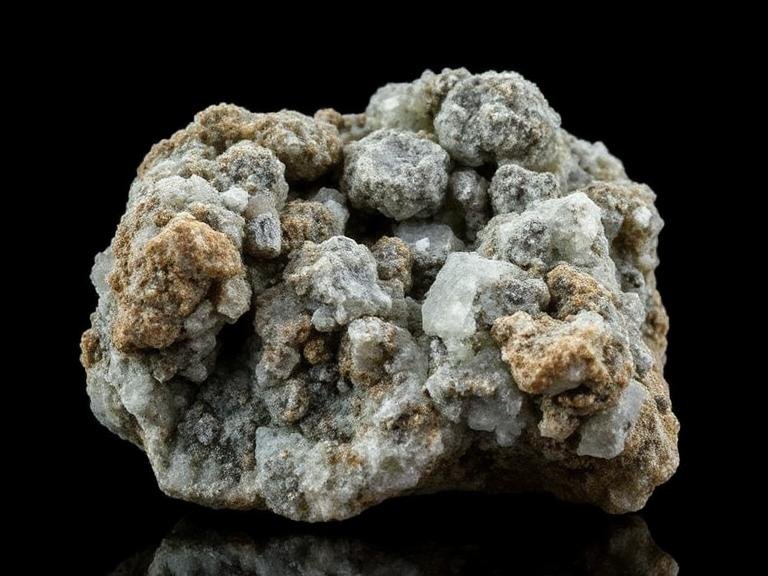
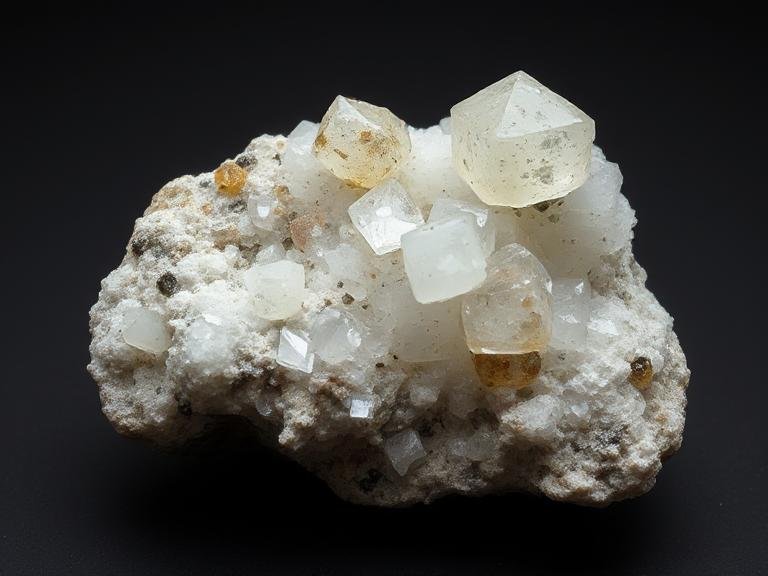
Mica sheets, composed of layered silicate minerals, are valued for their exceptional thermal stability and electrical insulation. These materials withstand continuous temperatures up to 600–900°C, depending on grade, making them ideal for electric heating elements. The crystalline structure allows mica to maintain structural integrity even under rapid thermal cycling, preventing cracking or delamination during repeated heating and cooling cycles.
Electrical resistance varies by mica type, with muscovite offering higher insulation (10¹⁴–10¹⁶ Ω·cm) compared to phlogopite. This property ensures minimal current leakage when used as a substrate for heating coils. Additionally, mica’s low thermal conductivity (0.7–1.2 W/m·K) helps concentrate heat toward the element’s active surface while protecting surrounding components from excessive heat transfer.
Mechanical durability is another critical factor. Mica sheets resist bending stresses up to 50–80 MPa, depending on thickness, and maintain flexibility without fracturing when formed into curved shapes. This adaptability supports custom heating element designs for appliances, industrial equipment, and automotive applications.
Pre-Cutting Preparation Steps
Material Inspection and Selection
Before cutting, verify mica sheet quality by checking for visible defects like cracks, air bubbles, or uneven layering. Discard sheets with surface imperfections exceeding 0.5 mm in depth, as these weaken the final heating element. Select grades based on operating temperature requirements—higher-temperature applications demand purer mica with fewer impurities.
Dimensional Accuracy Checks
Measure sheet thickness using a micrometer, ensuring consistency within ±0.05 mm. Variations beyond this range may cause uneven heating or electrical resistance fluctuations. For precision applications, use laser-cutting templates aligned to the mica’s grain direction to minimize edge chipping during processing.
Workspace Setup
Secure the mica sheet on a flat, non-abrasive surface using vacuum clamps or soft-jawed vises. Avoid excessive pressure that could crack the material. Ensure adequate lighting to identify cutting lines clearly, and wear safety goggles and dust masks to protect against airborne mica particles during cutting.
Cutting Techniques for Different Element Designs
Straight-Line Cuts for Flat Heating Elements
Use a tungsten carbide-tipped scoring tool or diamond-coated blade for straight cuts. Score the mica surface along the marked line with firm, even pressure, repeating 2–3 times to create a deep groove. Bend the sheet gently along the scored line until it snaps cleanly. For thicker sheets (>2 mm), combine scoring with a straightedge guide to maintain alignment.
Curved Cuts for Tubular or Coil-Based Elements
For circular or elliptical shapes, trace the pattern onto the mica using a non-permanent marker. Drill a starter hole near the edge of the curve, then insert a jigsaw blade with fine teeth (20–24 TPI). Cut slowly, following the marked line while supporting the sheet to prevent vibration-induced cracking. After cutting, smooth edges with 400–600-grit sandpaper to remove burrs.
Complex Geometries for Custom Heating Zones
When designing elements with irregular shapes, use laser cutting or waterjet technology for precision. These methods minimize material waste and ensure clean edges without mechanical stress. If manual cutting is necessary, divide the pattern into simpler sections, cut each individually, and assemble them using high-temperature epoxy rated for mica compatibility.
Post-Cutting Quality Control Measures
Edge Inspection and Finishing
Examine cut edges under magnification (10–20x) for micro-cracks or delamination. Use a bright light to check for translucent areas indicating internal damage. Smooth rough edges with a fine-grit abrasive pad, working in one direction to avoid reintroducing flaws. For applications requiring electrical contact, ensure edges are free of conductive debris.
Dimensional Verification
Re-measure cut pieces to confirm they match design specifications within ±0.1 mm tolerance. Use calipers for linear dimensions and a contour gauge for curved profiles. Discard components outside tolerance ranges, as dimensional errors affect heating uniformity and element lifespan.
Thermal Cycling Test
Subject sample pieces to 3–5 rapid heating and cooling cycles (e.g., 200°C to room temperature) to assess structural stability. Monitor for edge curling, layer separation, or discoloration, which indicate inadequate material quality or cutting stress. Adjust cutting parameters if test pieces fail to meet durability criteria.
Safety and Handling Guidelines
Personal Protective Equipment
Always wear cut-resistant gloves when handling mica sheets to prevent lacerations from sharp edges. Use N95 respirators to filter mica dust generated during cutting, as prolonged inhalation may cause respiratory irritation. Safety goggles with side shields protect eyes from flying particles.
Dust Management
Work in a well-ventilated area or use local exhaust ventilation to capture airborne mica particles. After cutting, wipe surfaces with a damp cloth to remove residual dust, avoiding dry sweeping that redistributes particles. Dispose of mica waste in sealed containers to prevent environmental contamination.
Storage Recommendations
Store unused mica sheets flat in a dry environment (<50% relative humidity) to prevent moisture absorption, which weakens the material. Keep sheets away from direct sunlight and chemicals like acids or alkalis that may degrade surface quality. Use dividers between sheets to avoid scratching during stacking.