
Mica Powder Fire Extinguishing Agent: Flame Retardant Composition and Usage Ratios
When it comes to fire extinguishing agents, mica powder plays a crucial role in enhancing their performance. This article delves into the flame retardant components used in mica powder-based fire extinguishing agents and their appropriate usage ratios.
Understanding Mica Powder in Fire Extinguishing Agents
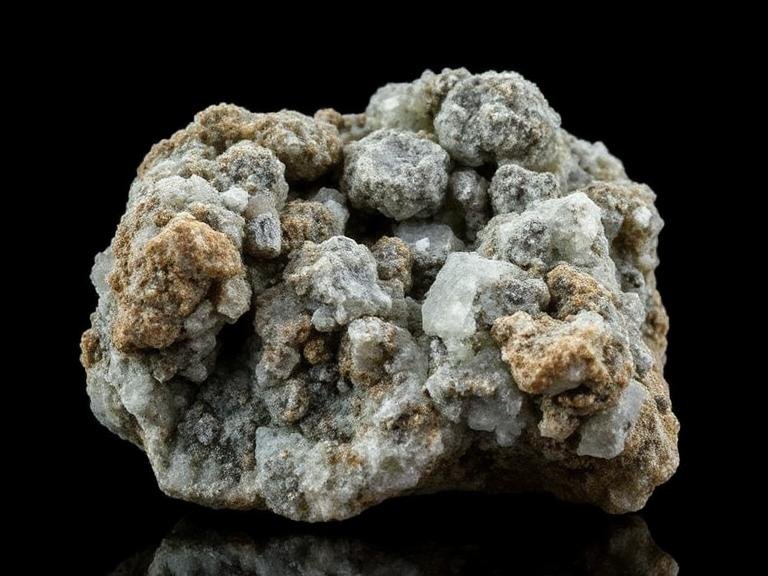
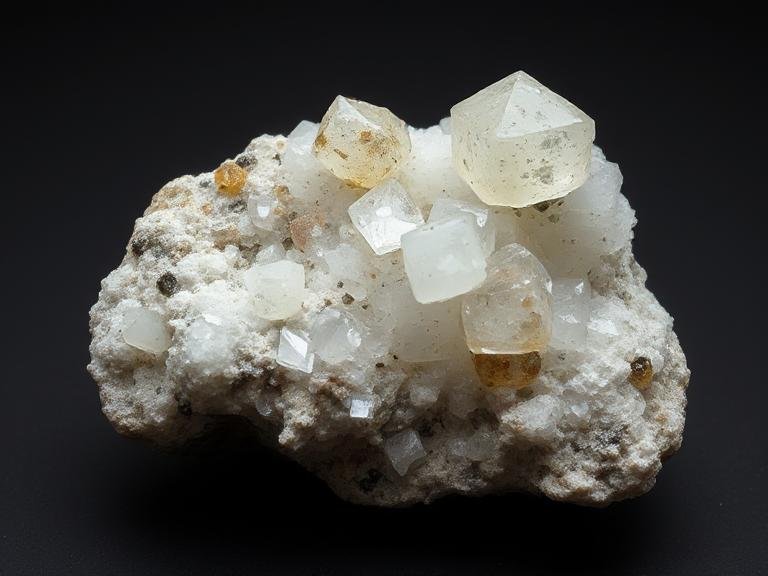
Mica, a mineral with a layered structure, is processed into mica powder for various industrial applications, including fire protection. Its unique physical and chemical properties make it an excellent additive in fire extinguishing agents. Mica powder can improve the electrical insulation properties of the agent, enhance its anti-vibration and anti-caking performance, and contribute to the overall effectiveness of fire suppression.
Key Flame Retardant Components and Their Functions
Inorganic Fillers for Thermal Insulation
Inorganic fillers are essential components in fire extinguishing agents, providing thermal insulation and delaying heat transfer to the substrate. Mica powder, with its low thermal conductivity coefficient, forms a dense thermal insulation layer when exposed to fire, significantly slowing down the temperature rise of the substrate. Typically, the addition of mica powder accounts for 30% – 50% of the total mass of the fire extinguishing coating. This high proportion ensures effective thermal insulation and enhances the coating’s fire resistance.
For instance, in some fire extinguishing agents, mica powder is combined with other inorganic fillers like vermiculite powder. Vermiculite, when exposed to high temperatures, expands to form a porous layer that further enhances thermal insulation. The synergistic effect of mica powder and vermiculite powder creates a robust thermal barrier, preventing the spread of fire.
Flame Retardants for Chemical Inhibition
Flame retardants are substances that can interrupt the combustion process through chemical reactions. In mica powder-based fire extinguishing agents, various flame retardants are used to achieve this goal.
- Aluminum Hydroxide: Aluminum hydroxide is a widely used flame retardant. It decomposes at around 200 – 300°C, absorbing a large amount of heat (up to 1970 kJ/kg) and lowering the temperature of the combustion system. The decomposition product, aluminum oxide, forms a dense covering layer on the surface of the substrate, increasing the oxygen index by 5 – 8 units. In fire extinguishing agents, the addition ratio of aluminum hydroxide is usually controlled at 15% – 25% (mass fraction) to ensure effective heat absorption without affecting the coating’s adhesive strength.
- Phosphorus-Containing Flame Retardants: Phosphorus-containing flame retardants, such as polyphosphates, are also commonly used. They decompose at high temperatures to release phosphoric acid and other substances, which promote the formation of a carbonized layer on the surface of the substrate. This carbonized layer acts as a physical barrier, preventing the entry of oxygen and the release of flammable gases. Polyphosphates are often used in combination with other flame retardants to enhance their overall effectiveness.
Additives for Performance Enhancement
In addition to inorganic fillers and flame retardants, various additives are incorporated into mica powder-based fire extinguishing agents to improve their performance.
- Silicone Oil: Silicone oil is used to enhance the water repellency and flowability of the fire extinguishing agent. It forms a three-dimensional network structure on the surface of the powder particles, creating a water-repellent silicone oil film. This film prevents the absorption of moisture, reducing the risk of caking and improving the storage stability of the agent. The addition of silicone oil is usually carried out in a diluted form, and the amount is carefully controlled to ensure uniform dispersion.
- Dispersants: Dispersants are added to improve the dispersion of various components in the fire extinguishing agent. They help to break up agglomerates and ensure a homogeneous mixture, which is crucial for the consistent performance of the agent. Common dispersants include sodium hexametaphosphate, which can effectively disperse inorganic fillers and flame retardants in the agent.
Usage Ratios of Flame Retardant Components
The usage ratios of flame retardant components in mica powder-based fire extinguishing agents vary depending on the specific application requirements and the type of fire to be extinguished. However, some general guidelines can be followed.
For inorganic fillers, mica powder and vermiculite powder are often used in a ratio that provides a balance between thermal insulation and other properties. A common ratio might be 2:1 (mica powder:vermiculite powder), but this can be adjusted based on the desired fire resistance and other factors.
When it comes to flame retardants, the ratio of aluminum hydroxide to polyphosphates can be set at around 3:1 to 1:1, depending on the level of flame retardancy required. The total amount of flame retardants should be carefully controlled to ensure that they do not negatively impact the other properties of the fire extinguishing agent, such as its flowability and adhesive strength.
Additives like silicone oil and dispersants are usually added in relatively small amounts, typically less than 5% of the total mass of the fire extinguishing agent. Their exact amounts are determined through experiments to achieve the optimal performance in terms of water repellency, dispersion, and other properties.
In conclusion, mica powder-based fire extinguishing agents rely on a combination of inorganic fillers, flame retardants, and additives to achieve effective fire suppression. By carefully selecting and controlling the usage ratios of these components, it is possible to develop fire extinguishing agents that meet the specific requirements of different applications, providing reliable protection against fire hazards.