
Proper Usage of Mica Tubes for High-Voltage Line Insulation Protection
Understanding Mica Tube Properties for High-Voltage Applications
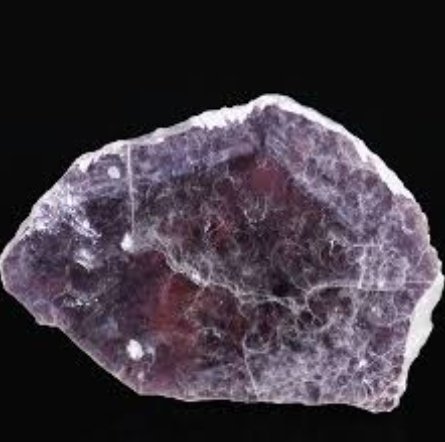
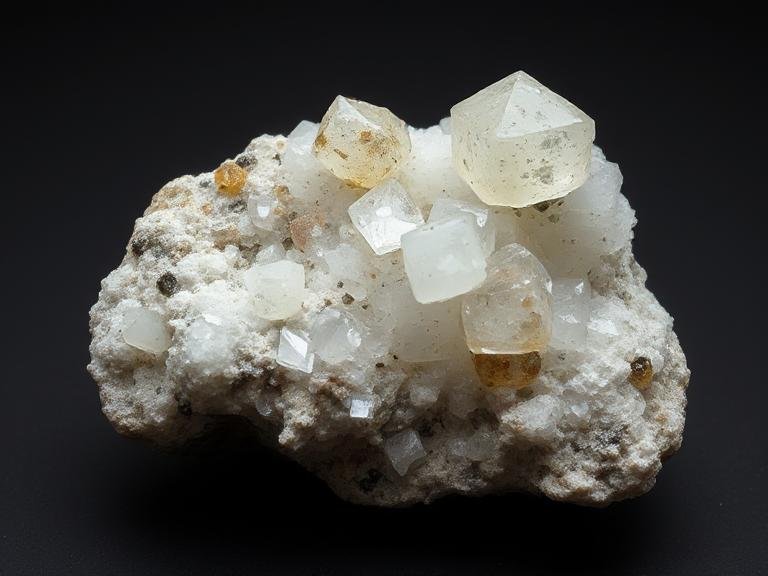
Mica tubes derive their insulation capabilities from the mineral’s inherent electrical resistance and thermal stability. The crystalline structure of mica provides excellent dielectric strength, typically exceeding 20 kV/mm, making it suitable for high-voltage environments. This property prevents electrical breakdown even under extreme voltage stresses.
Thermal endurance is another critical characteristic. Mica maintains its insulating properties at temperatures up to 800°C, depending on the specific mineral variant. This thermal resilience ensures consistent performance in applications where heat generation from electrical currents could degrade lesser materials.
Mechanical durability complements electrical and thermal properties. Mica tubes resist cracking under vibration or thermal cycling, common in high-voltage installations. Their layered structure allows slight flexibility without compromising structural integrity, accommodating minor movements in connected components.
Installation Procedures for Mica Tube Insulation
Proper surface preparation ensures optimal adhesion and insulation performance. Clean the conductor and surrounding components thoroughly to remove contaminants like oil, dust, or corrosion products. Use non-abrasive cleaning agents and lint-free cloths to avoid damaging conductive surfaces.
When sliding mica tubes onto conductors, maintain alignment to prevent edge damage. For angled or curved installations, gently flex the tube to conform to the path without kinking. Ensure the tube covers the entire insulation zone, extending slightly beyond connection points to prevent voltage tracking along surfaces.
Secure mica tubes in place using appropriate methods. For stationary installations, non-conductive ties or clips work effectively. In vibrating environments, use mechanical fasteners designed for electrical applications. Avoid conductive materials that could create alternative current paths through the insulation system.
Environmental Considerations for Long-Term Performance
Humidity and moisture pose significant risks to mica tube insulation. While mica itself resists water absorption, prolonged exposure to high humidity can lead to condensation inside installations. Implement weatherproofing measures like silicone seals or gaskets at connection points to prevent moisture ingress.
Chemical exposure requires careful assessment in industrial environments. Certain gases or vapors may react with mica over time, reducing its dielectric properties. Identify potential chemical contaminants in your installation area and select mica variants with proven resistance to those substances.
UV exposure affects outdoor installations, though mica demonstrates good resistance to ultraviolet radiation. However, accompanying materials like seals or coatings may degrade under UV exposure. Choose UV-stable complementary materials when installing mica tubes in sunlight-exposed locations.
Maintenance and Inspection Protocols
Regular visual inspections help identify early signs of insulation degradation. Look for cracks, discoloration, or tracking marks on mica tube surfaces. Check for loose fittings or movement that could create gaps in the insulation system. Schedule inspections based on environmental severity and operational voltage levels.
Electrical testing verifies continued insulation integrity. Use megohmmeters to measure resistance between conductors and grounded components. Compare readings against baseline values established during initial installation. Significant drops in resistance indicate potential insulation failure requiring immediate attention.
Thermal imaging provides non-contact detection of hot spots that may precede insulation breakdown. Scan high-voltage connections periodically to identify abnormal heat patterns. Investigate any temperature anomalies promptly, as they often indicate compromised insulation or poor connections.
Handling Specialized High-Voltage Scenarios
High-altitude installations require adjustments for reduced air density. Lower atmospheric pressure decreases dielectric breakdown strength, necessitating thicker insulation or higher-grade mica materials. Consult engineering standards for altitude-specific requirements when designing these systems.
Harmonic distortion in power systems creates additional stress on insulation. Non-linear loads produce frequency components that may exceed standard testing parameters. Select mica tubes with enhanced performance characteristics or implement additional filtering to mitigate harmonic effects.
Fault conditions like short circuits or lightning strikes subject insulation to extreme stresses. Design systems with surge protection devices to divert excessive energy away from mica tubes. Include redundant insulation layers in critical applications to maintain functionality after initial fault events.