
Optimized Storage Solutions for Lepidolite Ore Using Desiccants
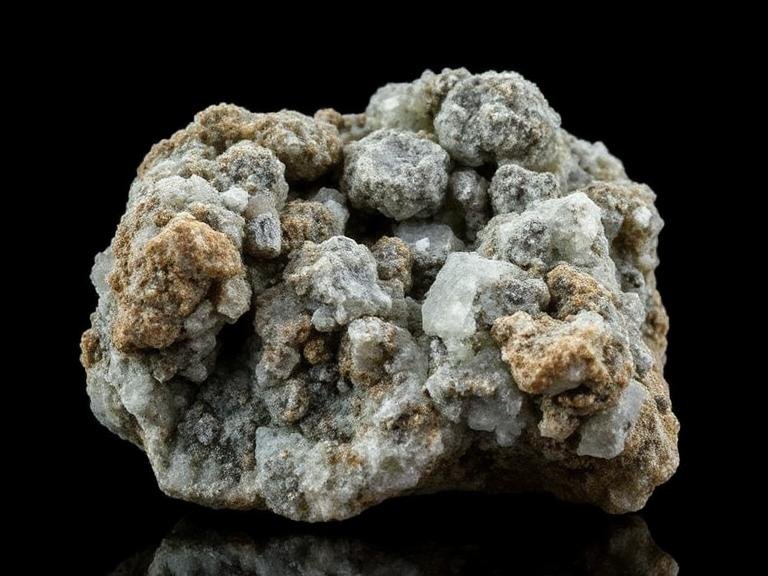
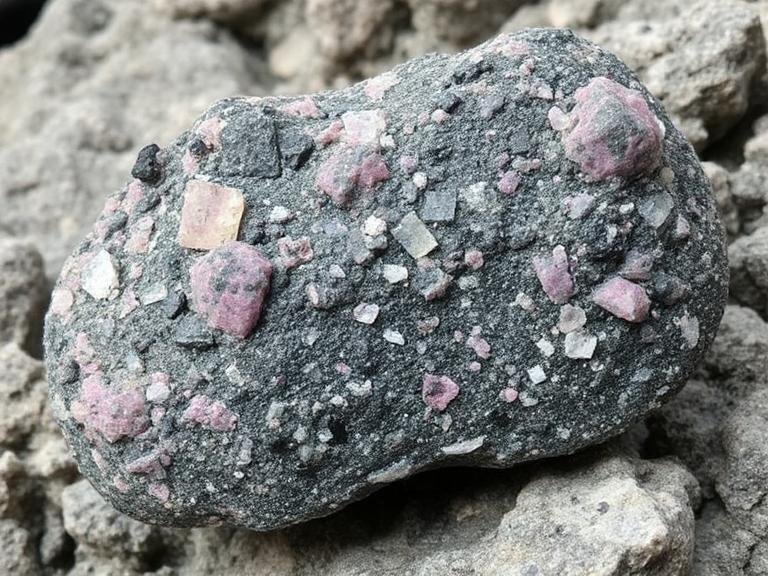
Lepidolite ore, a key source of lithium, requires careful storage to maintain its chemical stability and prevent degradation caused by moisture, humidity, or environmental contaminants. Integrating desiccants into storage protocols offers a cost-effective way to extend shelf life and preserve ore quality. Below are actionable strategies for leveraging desiccants in lepidolite ore storage.
1. Understanding the Role of Desiccants in Ore Preservation
Desiccants absorb excess moisture from the surrounding environment, creating a dry atmosphere that minimizes oxidation, caking, or microbial growth in lepidolite ore. Selecting the right type depends on storage conditions and ore characteristics.
Types of Desiccants for Mineral Storage:
- Silica Gel: A porous, inert material that adsorbs water vapor effectively. Ideal for moderate humidity levels (40–60% RH).
- Clay Desiccants: Natural, non-toxic, and reusable after heating. Suitable for long-term storage in low-to-medium humidity environments.
- Calcium Chloride: A hygroscopic salt that absorbs moisture aggressively, forming a brine. Best for high-humidity areas but requires proper containment to avoid leaks.
Key Considerations:
- Avoid desiccants containing volatile organic compounds (VOCs), which could react with lithium compounds in the ore.
- Opt for desiccants with low dust generation to prevent contamination of the ore’s surface.
2. Packaging and Container Selection for Moisture Control
The choice of packaging directly impacts desiccant efficiency and ore protection.
Container Materials:
- Use airtight, moisture-resistant containers such as HDPE drums, metal bins, or lined fiberboard boxes. Ensure lids or seals are intact to prevent air exchange.
- For bulk storage, consider silo systems with integrated desiccant chambers or humidity-controlled inlets.
Desiccant Placement:
- Distribute desiccant packets evenly within containers. For drums, place 2–3 packets per 50 kg of ore, depending on initial moisture levels.
- In silos, install desiccant-filled trays or tubes near ventilation points to intercept incoming humid air.
- Avoid direct contact between desiccants and ore to prevent chemical interactions. Use breathable dividers like non-woven fabric.
Monitoring Humidity Levels:
- Embed humidity indicator cards inside containers to track moisture absorption. Replace desiccants when cards show readings above 50% RH.
- For automated systems, install hygrometers linked to desiccant release mechanisms that activate when humidity spikes.
3. Environmental Controls for Enhanced Desiccant Performance
Desiccants work best when paired with broader climate management strategies.
Temperature Regulation:
- Store lepidolite ore in areas with stable temperatures between 15–25°C. High heat accelerates moisture evaporation, overwhelming desiccants, while cold can cause condensation.
- Use insulation or climate-controlled units in regions with extreme seasonal variations.
Ventilation and Airflow:
- Ensure proper ventilation to prevent stagnant air pockets, which can lead to localized humidity buildup. However, avoid direct airflow from humid external sources.
- In warehouse settings, position ore stacks away from doors, windows, or loading docks to reduce exposure to outdoor moisture.
Pest and Dust Management:
- Seal containers tightly to block pests like insects or rodents, which may introduce moisture through nesting or waste.
- Use dust covers or shrink-wrap for palletized ore to minimize surface contamination that could trap moisture.
4. Long-Term Storage Best Practices
For extended storage periods, desiccants require periodic maintenance to remain effective.
Desiccant Reactivation:
- Reusable desiccants like clay or silica gel can be dried in ovens at 120–150°C for 2–4 hours to restore adsorption capacity. Cool completely before reuse.
- Dispose of saturated calcium chloride desiccants according to local regulations, as they may contain accumulated salts.
Ore Inspection Routines:
- Schedule monthly checks for clumping, discoloration, or off-odors, which indicate moisture ingress. Sample test ore for lithium content periodically to detect early degradation.
- Rotate stock using a “first-in, first-out” approach to prevent older batches from sitting unused for years.
Adaptive Strategies for Seasonal Changes:
- Increase desiccant quantity or replacement frequency during rainy seasons or high-humidity months.
- Consider temporary dehumidifiers in storage zones if ambient humidity consistently exceeds 65% RH.
By combining desiccants with strategic packaging, environmental controls, and proactive maintenance, facilities can safeguard lepidolite ore quality and reduce waste from moisture-related damage. These measures ensure the ore remains viable for processing into lithium compounds for batteries, ceramics, or other industrial applications.