
Mica Sheet Dimensions for Light Bulb Heat Shielding: A Practical Guide
Mica sheets are widely used in lighting applications to protect components from heat damage while maintaining structural integrity. Their natural heat resistance and electrical insulation properties make them ideal for shielding bulbs, sockets, and wiring. However, selecting the right dimensions requires careful consideration of the bulb’s size, heat output, and installation space. Below is a detailed breakdown to help ensure proper fit and functionality.
Key Factors Influencing Mica Sheet Sizing
- Bulb Type and Wattage
Different bulbs generate varying levels of heat. Incandescent bulbs, for example, produce significantly more heat than LED or fluorescent alternatives. A high-wattage incandescent bulb (e.g., 100W or above) will require a thicker or larger mica sheet to dissipate heat effectively compared to a low-wattage LED bulb. - Physical Dimensions of the Fixture
The available space inside the light fixture dictates the maximum size of the mica sheet. Measure the inner diameter or height of the housing to ensure the sheet fits snugly without obstructing airflow or contact with other components. - Heat Dissipation Requirements
If the bulb operates in an enclosed or poorly ventilated fixture, the mica sheet may need to be larger or paired with additional cooling measures (e.g., vents or fans). Conversely, open fixtures with natural airflow might allow for smaller sheets.
Standard Thickness Considerations
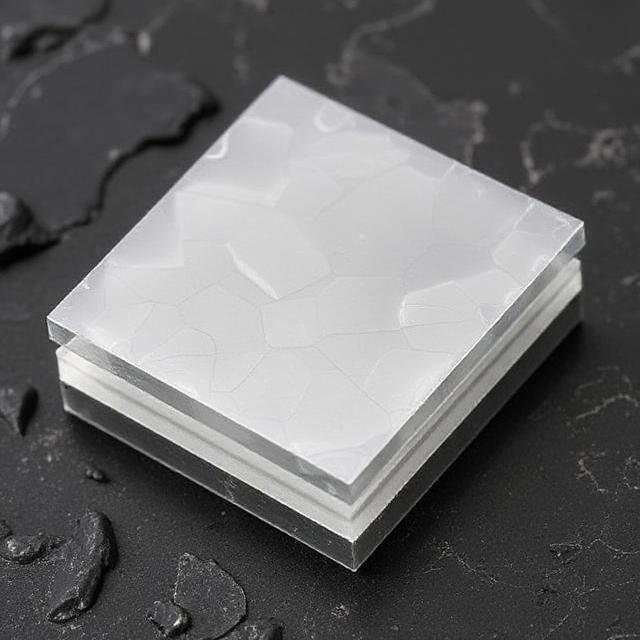
Mica sheets come in varying thicknesses, typically ranging from 0.1mm to 3mm. Thicker sheets offer greater heat resistance but may be less flexible, making them harder to shape for custom fixtures.
- Thin Sheets (0.1–0.5mm): Suitable for low-heat applications like LED bulbs or decorative lighting where minimal protection is needed.
- Medium Sheets (0.5–1.5mm): Ideal for standard incandescent bulbs or halogen lamps in moderately sized fixtures.
- Thick Sheets (1.5–3mm): Recommended for high-wattage bulbs (e.g., 200W+) or industrial lighting where prolonged exposure to intense heat is expected.
Customizing Dimensions for Specific Fixtures
- Circular Fixtures (e.g., Recessed Lights)
Measure the inner diameter of the housing and subtract 2–3mm to allow for airflow. For example, a 100mm housing might use a 95–98mm diameter mica sheet. Cut a central hole slightly larger than the bulb base to ensure proper installation. - Rectangular or Square Fixtures (e.g., Flush Mounts)
Determine the inner length and width of the fixture, then reduce each dimension by 2–3mm. If the fixture has multiple bulbs, divide the space evenly or use separate sheets for each bulb to avoid overheating. - Irregularly Shaped Fixtures (e.g., Pendant Lights)
Create a template using cardboard or paper to match the fixture’s contours. Trace this template onto the mica sheet and trim carefully. For curved surfaces, gently bend the mica (if thickness allows) to conform to the shape without cracking.
Installation Tips for Optimal Performance
- Leave Gaps for Airflow: Ensure the mica sheet doesn’t block vents or airflow paths. A 1–2mm gap between the sheet and fixture walls can prevent heat buildup.
- Secure Properly: Use non-conductive clips or adhesive designed for high temperatures to hold the sheet in place. Avoid metal fasteners that could conduct heat or cause short circuits.
- Test Fit Before Final Installation: Place the mica sheet in the fixture and check for clearance issues. Adjust the dimensions if the sheet interferes with the bulb, socket, or wiring.
Common Mistakes to Avoid
- Using Oversized Sheets: A sheet that’s too large may restrict airflow or touch sensitive components, increasing the risk of overheating.
- Ignoring Thermal Expansion: Mica expands slightly when heated. Leave enough room for expansion to prevent warping or cracking during operation.
- Neglecting Flexibility: Thick mica sheets may crack if bent too sharply. For curved fixtures, opt for thinner sheets or score the back lightly to ease bending.
By tailoring the dimensions of mica sheets to the specific requirements of the bulb and fixture, users can ensure effective heat shielding without compromising safety or performance. Always prioritize measurements and material properties over assumptions to achieve the best results.