
Thermal Insulation Installation and Usage Methods for Mica Plates in Nuclear Reactors
Understanding the Role of Mica Plates in Nuclear Reactor Thermal Insulation
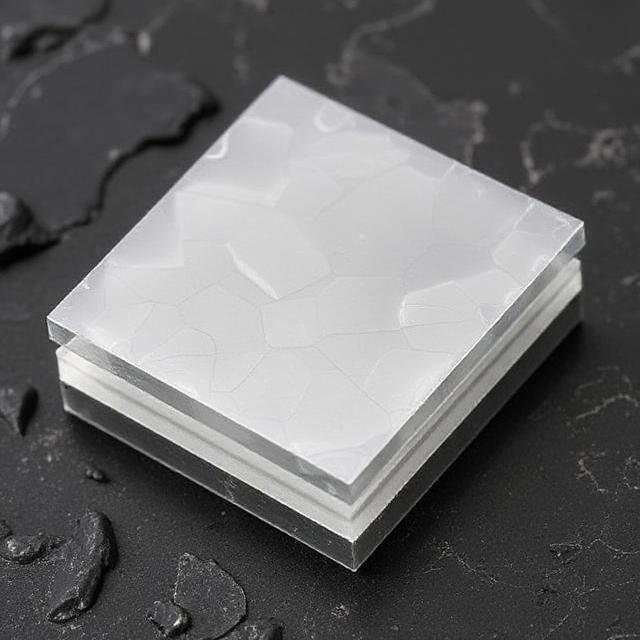
Mica plates, composed of layered silicate minerals with exceptional thermal stability and electrical insulation properties, play a critical role in nuclear reactor thermal insulation systems. Their unique structure—featuring high-aspect-ratio flakes bonded with inorganic or organic resins—enables them to withstand extreme temperatures while maintaining structural integrity. In nuclear applications, mica plates act as thermal barriers, preventing heat transfer between reactor components and surrounding structures. This function is essential for maintaining operational safety, protecting sensitive equipment, and ensuring compliance with stringent regulatory standards for radiation shielding and thermal management.
Key Performance Characteristics
The suitability of mica plates for nuclear reactor insulation stems from their inherent material properties:
- Thermal Resistance: Mica plates can endure continuous temperatures up to 1000°C, depending on the type (e.g., phlogopite for higher temperatures). This capability ensures they remain stable during normal operations and transient events like loss-of-coolant accidents.
- Low Thermal Conductivity: With thermal conductivity values ranging from 0.15 to 0.2 W/m·K, mica plates effectively minimize heat transfer, reducing energy loss and preventing overheating of adjacent components.
- Radiation Resistance: Mica’s inorganic composition makes it resistant to radiation-induced degradation, maintaining performance in high-radiation environments over extended periods.
- Mechanical Strength: High tensile and flexural strength allow mica plates to withstand vibrations, thermal cycling, and mechanical stresses without cracking or delamination.
Installation Procedures for Mica Plate Thermal Insulation
Proper installation is crucial for maximizing the performance and longevity of mica plate insulation in nuclear reactors. The following steps outline a systematic approach to ensure reliability and safety.
Pre-Installation Preparation
- Material Inspection: Verify that mica plates meet specified dimensions, thickness tolerances (typically ±0.05 mm for precision applications), and surface finish requirements. Discard any plates with visible defects, such as cracks, bubbles, or delamination.
- Environmental Control: Store mica plates in a dry, temperature-controlled environment (relative humidity < 70%, temperature < 35°C) to prevent moisture absorption, which could compromise thermal and electrical properties.
- Tool Selection: Use non-metallic cutting tools (e.g., carbide-tipped blades or waterjet cutters) to avoid contaminating the mica surface with conductive particles. For complex shapes, consider outsourcing fabrication to specialized facilities.
Cutting and Shaping
- Marking and Layout: Use a non-permanent marker or laser etching to outline cutting lines on the mica plate, ensuring alignment with reactor component geometries.
- Precision Cutting:
- For straight cuts, secure the plate on a flat surface and guide the cutting tool along a straightedge.
- For curved or irregular shapes, create a template from durable material (e.g., stainless steel) and trace it onto the mica plate before cutting.
- Edge Finishing: Deburr cut edges with fine-grit sandpaper or a deburring tool to remove sharp protrusions and reduce the risk of electrical arcing or mechanical damage during installation.
Surface Treatment and Coating
- Cleaning: Wipe the mica plate surfaces with isopropyl alcohol or a non-abrasive, solvent-based cleaner to remove dust, oil, or other contaminants. Avoid water-based cleaners, as residual moisture can affect adhesion.
- Priming (Optional): Apply a thin layer of silane-based coupling agent to enhance bonding between the mica plate and adjacent materials, particularly in high-vibration areas.
- Protective Coatings: For applications requiring additional resistance to moisture, chemicals, or abrasion, consider applying a thin layer of epoxy or silicone-based coating. Ensure the coating is compatible with nuclear reactor operating conditions.
Assembly and Mounting
- Positioning: Align the mica plate with the designated installation area on the reactor component, ensuring proper clearance and fitment. Use shims or spacers if necessary to maintain uniform thickness.
- Fastening:
- For rigid mounting, use stainless steel bolts or screws with insulating washers to prevent galvanic corrosion and electrical conductivity. Tighten fasteners to the manufacturer’s recommended torque values to avoid over-compression.
- For flexible or curved surfaces, adhere the mica plate using a high-temperature, radiation-resistant adhesive (e.g., silicone-based or ceramic-filled epoxy). Apply the adhesive evenly and press the plate firmly into place, removing any air bubbles.
- Sealing: Fill gaps between mica plates or between the plate and adjacent components with a high-temperature sealant to prevent heat leakage and ingress of contaminants.
Post-Installation Checks and Maintenance
Ensuring the continued effectiveness of mica plate insulation requires regular inspection and maintenance.
Initial Inspection
- Visual Examination: Check for gaps, misalignment, or damage to the mica plates or fasteners immediately after installation.
- Leak Testing: Perform a pressure or helium leak test (if applicable) to verify the integrity of seals and joints.
- Thermal Imaging: Use infrared thermography to detect hot spots or uneven heat distribution, which may indicate poor contact or insulation failure.
Ongoing Maintenance
- Scheduled Inspections: Conduct periodic visual and thermal inspections (e.g., every 6–12 months) to monitor for signs of degradation, such as discoloration, cracking, or delamination.
- Cleaning: Remove dust or debris from mica plate surfaces using dry compressed air or a soft brush. Avoid abrasive cleaning methods that could damage the surface.
- Replacement Criteria: Replace mica plates if they exhibit significant wear, damage, or a decline in thermal performance (e.g., increased heat transfer or reduced insulation resistance).
Safety Considerations
- Personal Protective Equipment (PPE): Wear appropriate PPE, including gloves, safety glasses, and respiratory protection, when handling mica plates to prevent inhalation of dust or contact with sharp edges.
- Radiation Protection: Follow nuclear safety protocols when working in radiation-controlled areas, including the use of dosimeters and shielding.
- Fire Prevention: Ensure that cutting and welding operations are performed in accordance with fire safety regulations, as mica dust can be combustible under certain conditions.
By adhering to these installation and maintenance guidelines, nuclear facility operators can leverage the exceptional thermal insulation properties of mica plates to enhance reactor safety, efficiency, and reliability.