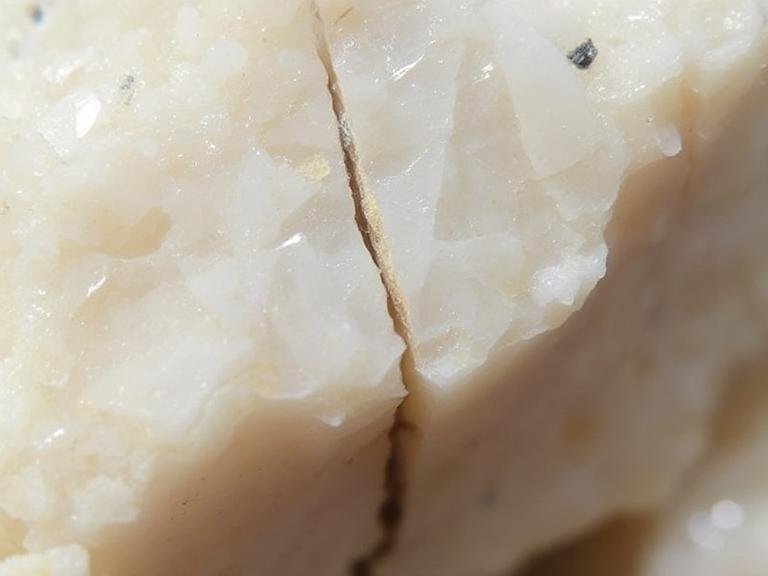


Emergency Plan for Damp – Proof Storage of Mica Ore During the Rainy Season
The rainy season poses significant challenges for the storage of mica ore, as excessive moisture can lead to a range of issues such as caking, degradation of quality, and even potential safety hazards. Having a well – thought – out emergency plan is crucial to safeguard the mica ore and ensure its usability when needed. Here is a comprehensive plan to address damp – proof storage during the rainy season.
Pre – Rainy Season Preparations
Storage Facility Inspection and Maintenance
Before the onset of the rainy season, conduct a thorough inspection of the storage facility where the mica ore is kept. Check for any leaks in the roof, walls, or floors. Seal any cracks or gaps immediately to prevent rainwater from seeping in. Ensure that the drainage system around the facility is clear and functioning properly. Remove any debris or blockages that could impede the flow of water, allowing it to drain away from the storage area quickly.
Moisture – Absorbing Materials Stockpiling
Stock up on an adequate amount of moisture – absorbing materials such as desiccants, calcium chloride, or silica gel. These materials can be placed strategically within the storage area, especially in areas prone to high humidity, like corners and near doors and windows. Calculate the required quantity based on the size of the storage space and the expected level of humidity during the rainy season. Regularly check and replace these materials as they become saturated to maintain their effectiveness.
Elevation of Storage Platforms
If possible, elevate the storage platforms for the mica ore. This can be achieved by using pallets or constructing raised platforms. Elevating the ore helps to keep it away from any ground moisture that may rise during the rainy season. Ensure that the pallets or platforms are sturdy and can support the weight of the mica ore without collapsing. Also, leave sufficient space between the ore and the ground to allow for air circulation, which aids in reducing humidity levels.
During the Rainy Season Measures
Real – Time Humidity Monitoring
Install humidity sensors in the storage area to continuously monitor the moisture levels. Set up alerts so that when the humidity exceeds a certain threshold, appropriate actions can be taken immediately. Regularly check the sensor readings throughout the day, especially during heavy rainfall or periods of high humidity. This real – time data allows for quick response to any potential moisture – related issues before they cause significant damage to the mica ore.
Covering and Sealing of Mica Ore Piles
Use waterproof tarpaulins or plastic sheets to cover the piles of mica ore. Ensure that the covering is large enough to completely enclose the ore and is securely fastened to prevent rainwater from getting underneath. Pay special attention to the edges and corners of the covering, making sure they are tightly sealed. If the ore is stored in containers, check the lids or seals regularly to ensure they are intact and providing a proper barrier against moisture.
Ventilation Management
Proper ventilation is essential during the rainy season to prevent the build – up of humidity inside the storage area. However, it needs to be balanced with the need to keep rainwater out. Install vents or fans that can be adjusted according to the weather conditions. On dry days, open the vents or run the fans to promote air circulation and reduce humidity. During rainy periods, close the vents or reduce the fan speed to minimize the entry of moist air. Regularly clean the vents and fans to ensure they are free from dust and debris, which could impede their performance.
Emergency Response Procedures
Flooding Incident Handling
In the event of a flooding incident, such as heavy rain causing water to enter the storage area, act quickly to minimize the damage. First, stop the source of water entry if possible, for example, by blocking leaks or redirecting water flow. Then, use pumps or buckets to remove the standing water from the storage area as soon as possible. Once the water is removed, assess the condition of the mica ore. If it has been in contact with water, separate the affected ore from the rest and take appropriate measures, such as drying it using fans or dehumidifiers.
High Humidity Alert Response
When the humidity sensors indicate a high – humidity alert, immediately increase the ventilation in the storage area if the weather permits. Add more moisture – absorbing materials to the areas with the highest humidity levels. Check the covering of the mica ore piles to ensure there are no gaps or tears that could allow moist air to enter. If necessary, re – cover the ore with fresh waterproof material. Continuously monitor the humidity levels until they return to a safe range.
Communication and Coordination
Establish a clear communication channel among the storage facility staff during the rainy season. Ensure that everyone knows their roles and responsibilities in case of an emergency. Regularly hold meetings to discuss the current situation, any potential risks, and the actions being taken. In case of a major incident, such as a large – scale flood, coordinate with external agencies, such as local emergency services or water damage restoration companies, for additional support and resources.
By following this comprehensive emergency plan for damp – proof storage of mica ore during the rainy season, you can effectively protect the ore from moisture – related damage, maintain its quality, and ensure its availability for use when required. Regular review and updating of the plan based on past experiences and changing weather patterns will further enhance its effectiveness.