
Mica Powder Dosage Guide for Handmade Soap Coloring
Creating visually appealing handmade soaps often involves experimenting with natural or synthetic colorants. Mica powder, a mineral-based pigment, is a popular choice due to its shimmering effect and versatility. However, determining the right dosage requires understanding its properties and how it interacts with soap ingredients. Below is a detailed guide to help achieve consistent, vibrant results.
Understanding Mica Powder’s Role in Soap
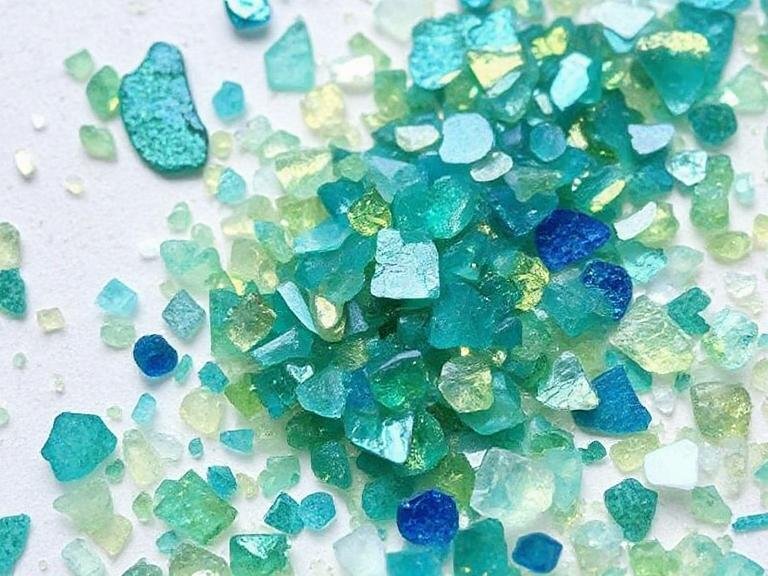
Mica powder does not dissolve in water, oil, or soap base. Instead, it suspends evenly, creating a pearlescent or metallic finish. This behavior makes it ideal for achieving subtle sparkle or bold hues, depending on the dosage. Unlike plant-based powders (e.g., spirulina or beetroot), mica retains its color intensity without fading over time, making it a reliable option for long-lasting designs.
Factors Influencing Dosage
- Desired Color Intensity
Light pastels require minimal mica, while deep jewel tones demand higher concentrations. For example, a soft lavender shade might use 0.5–1 gram of mica per 500 grams of soap base, whereas a rich emerald green could need 2–3 grams for the same amount. - Soap Base Transparency
Transparent or clear soap bases allow mica’s shimmer to shine through, requiring less pigment for noticeable effects. Opaque bases, like those made with titanium dioxide, may mute mica’s brilliance, necessitating a slightly higher dosage to compensate. - Layering or Swirling Techniques
Intricate designs, such as marbling or layering, often involve dividing soap batter into portions and coloring each separately. In such cases, adjust the dosage per portion to maintain consistency. For instance, a 1-kilogram batch split into four colors might use 0.5 grams of mica per 250-gram section for balanced results.
General Dosage Recommendations
- Light Shades: Start with 0.25–0.5 grams of mica per 500 grams of soap base. This range works well for soft pinks, pale blues, or subtle gold accents.
- Medium Shades: Use 0.5–1.5 grams for colors like mint green, coral, or silver. This dosage provides visible pigmentation without overwhelming the soap’s natural texture.
- Dark or Vibrant Shades: Opt for 1.5–3 grams for deep purples, royal blues, or bold reds. Higher concentrations may slightly alter the soap’s texture, so test small batches first.
Tips for Precise Application
- Pre-Mix with Oil or Alcohol
To avoid clumping, blend mica powder with a small amount of lightweight oil (e.g., sweet almond or fractionated coconut oil) or 95% alcohol before adding it to the soap batter. This ensures even distribution and prevents streaks. - Add During Trace
Incorporate mica at light to medium trace—when the batter thickens enough to leave a faint trail on the surface. Adding it too early may cause pigment settling, while adding it too late could make mixing difficult. - Test in Small Batches
Experiment with a 100–200-gram test batch to refine the dosage and color before scaling up. Document the amount used for each shade to replicate results consistently.
Common Pitfalls to Avoid
- Overloading the Batter: Excessive mica can create a gritty texture or interfere with lather. Stick to the recommended dosages and adjust gradually.
- Ignoring Base Compatibility: Some mica powders contain additional ingredients (e.g., iron oxides) that may react differently in cold-process versus melt-and-pour soaps. Always check compatibility with your chosen method.
- Neglecting Safety Precautions: While mica is generally non-toxic, inhaling fine powder can irritate the lungs. Wear a mask and work in a well-ventilated area when handling dry pigment.
By understanding mica powder’s behavior and adjusting the dosage based on design goals, soap makers can achieve professional-looking results without compromising quality. Start with conservative amounts, test thoroughly, and enjoy the creative possibilities this versatile pigment offers.