
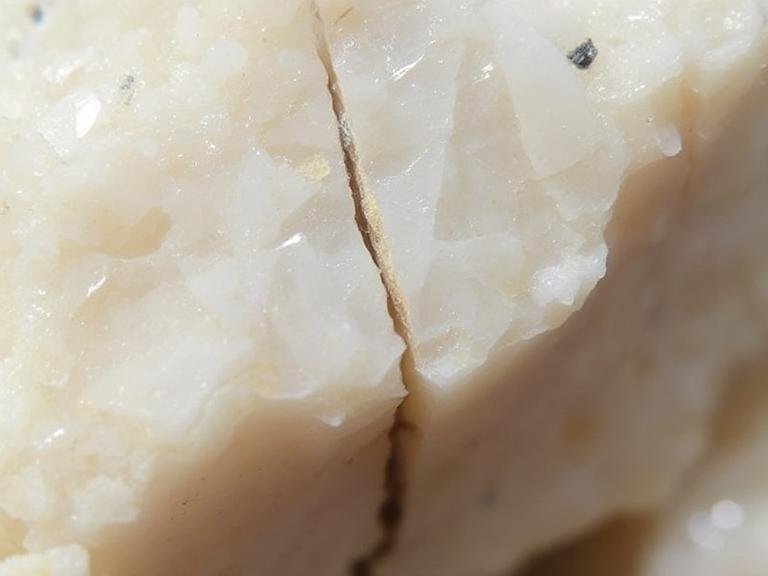
Identification and Classification of Mica Sheet Quality Grades
Mica sheets, widely used in electrical insulation, thermal management, and various industrial applications, are available in different quality grades. Understanding how to identify and classify these grades is crucial for selecting the right mica sheets for specific applications. This article explores the key factors influencing mica sheet quality and provides insights into their classification.
Visual Inspection for Quality Assessment
Surface Texture and Smoothness
The surface texture of mica sheets is a primary indicator of their quality. High-grade mica sheets typically exhibit a smooth, uniform surface with minimal imperfections. These imperfections may include pits, scratches, or unevenness, which can compromise the sheet’s performance in applications requiring precise electrical or thermal conductivity. By visually inspecting the surface, one can quickly assess the overall quality of the mica sheet. A smooth surface suggests a higher purity and better processing, while a rough or uneven surface may indicate lower quality or improper handling during manufacturing.
Color Uniformity
Color uniformity is another important aspect of visual inspection. While natural mica may exhibit slight variations in color due to mineral impurities, high-grade mica sheets should display a consistent color throughout. Discoloration or patches of different hues can indicate the presence of contaminants or inconsistent processing, which may affect the sheet’s electrical and thermal properties. For instance, in electrical insulation applications, color inconsistencies could lead to uneven current distribution or heat dissipation, potentially causing equipment failure.
Edge Integrity
The edges of mica sheets also provide valuable information about their quality. High-grade mica sheets have clean, sharp edges with minimal chipping or fraying. These edges are crucial for ensuring a tight fit and preventing moisture or dust ingress in applications where the sheets are used as seals or barriers. In contrast, mica sheets with damaged or irregular edges may not perform as effectively, leading to potential leaks or reduced insulation properties.
Physical Property Testing for Quality Verification
Thickness Consistency
Thickness consistency is a critical physical property that affects the performance of mica sheets. High-grade mica sheets should have a uniform thickness across their entire surface, ensuring consistent electrical and thermal conductivity. Variations in thickness can lead to uneven current flow or heat distribution, compromising the efficiency and reliability of the application. To verify thickness consistency, one can use a micrometer or caliper to measure the thickness at multiple points on the sheet. Significant deviations from the specified thickness may indicate lower quality or manufacturing defects.
Flexibility and Brittleness
The flexibility and brittleness of mica sheets are also important indicators of their quality. High-grade mica sheets should exhibit a certain degree of flexibility, allowing them to conform to irregular surfaces or bend without cracking. This flexibility is particularly important in applications where the sheets need to be shaped or molded to fit specific components. On the other hand, excessive brittleness can make the sheets prone to breakage during handling or installation, leading to increased waste and potential safety hazards. By gently bending or flexing the mica sheet, one can assess its flexibility and brittleness, helping to determine its quality grade.
Electrical Resistance and Dielectric Strength
For electrical insulation applications, the electrical resistance and dielectric strength of mica sheets are paramount. High-grade mica sheets should have high electrical resistance, preventing current leakage and ensuring safe operation. Additionally, they should possess high dielectric strength, enabling them to withstand high voltages without breaking down. To verify these properties, specialized testing equipment, such as a megohmmeter for electrical resistance and a dielectric strength tester, can be used. Mica sheets that fail to meet the specified electrical resistance or dielectric strength requirements are likely of lower quality and may not be suitable for demanding electrical applications.
Chemical Composition Analysis for Quality Confirmation
Purity Level
The purity level of mica sheets is a fundamental factor influencing their quality. High-grade mica sheets should have a high purity level, with minimal impurities such as iron, titanium, or other metallic elements. These impurities can affect the electrical and thermal properties of the mica sheet, reducing its performance in critical applications. Chemical composition analysis, typically performed using techniques like X-ray fluorescence (XRF) or inductively coupled plasma mass spectrometry (ICP-MS), can accurately determine the purity level of mica sheets. Mica sheets with high purity levels are generally considered of higher quality and are preferred for applications requiring precise and reliable performance.
Trace Element Content
In addition to purity level, the content of trace elements in mica sheets can also impact their quality. Certain trace elements, even in small amounts, can have a significant effect on the electrical and thermal properties of mica. For example, the presence of certain metal ions can enhance the thermal conductivity of mica, while others may reduce its electrical resistance. By analyzing the trace element content of mica sheets, one can gain a deeper understanding of their properties and potential applications. Mica sheets with optimal trace element profiles are likely to exhibit superior performance and are classified as higher quality.
Stability Under Chemical Exposure
The stability of mica sheets under chemical exposure is another important consideration for quality classification. In some applications, mica sheets may come into contact with various chemicals, such as acids, bases, or solvents. High-grade mica sheets should be resistant to chemical attack, maintaining their structural integrity and performance even under harsh conditions. Chemical stability testing, involving exposure to specific chemicals for a defined period, can assess the resistance of mica sheets to chemical degradation. Mica sheets that demonstrate excellent chemical stability are considered of higher quality and are suitable for applications where chemical resistance is a critical requirement.