

How to Use Mica Tape for Insulating Electrical Components in Home Appliances
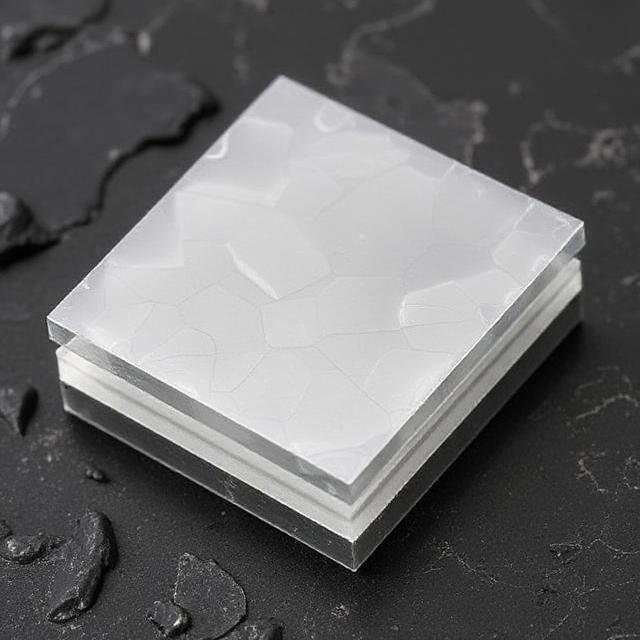
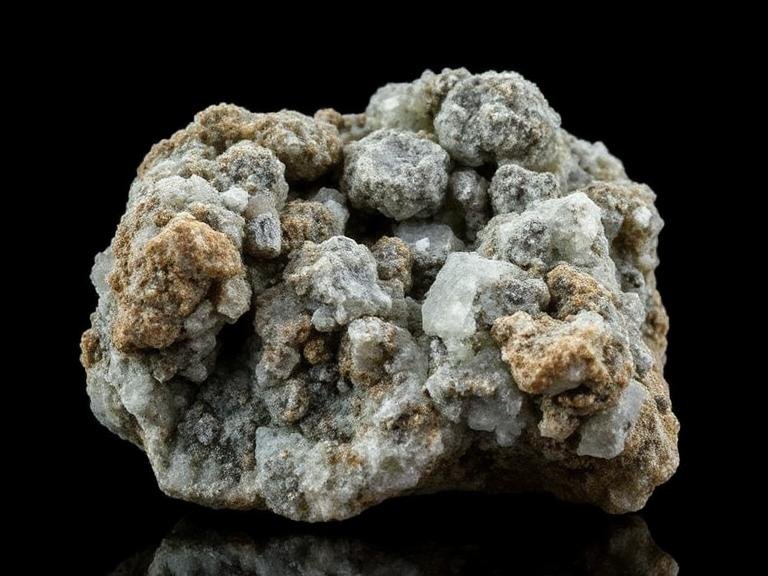
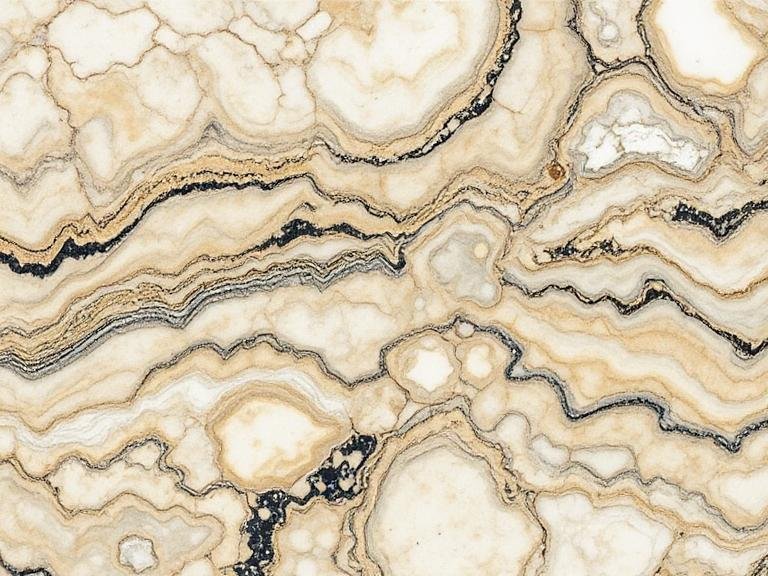
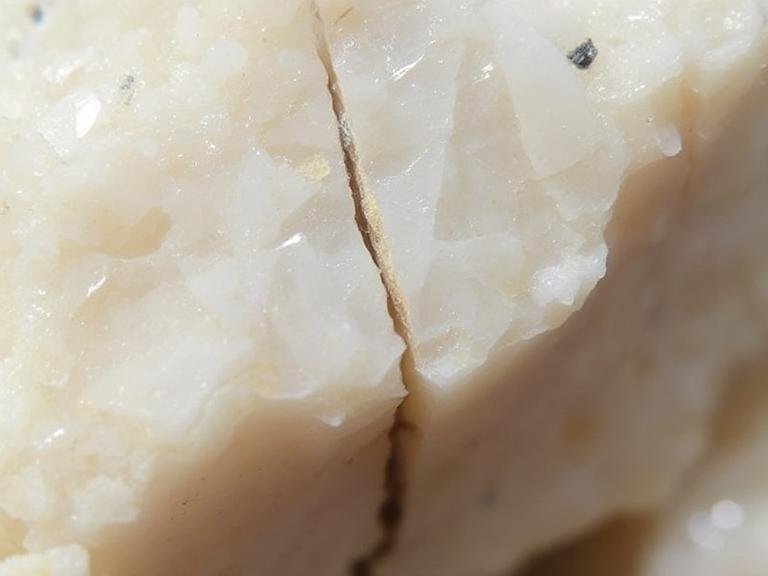
Mica tape, a flexible composite material made from natural mica flakes bonded to a carrier film or fabric, is widely used for electrical insulation in home appliances like motors, transformers, and heating elements. Its high dielectric strength, thermal resistance, and mechanical durability make it ideal for protecting components from heat, arcing, and electrical failure. Below are practical guidelines for assembling mica tape into insulation systems for household appliances.
Preparing Components and Workspace
Before applying mica tape, ensure the workspace and components are clean and free of contaminants that could compromise adhesion or insulation.
- Surface Cleaning: Wipe down metal or plastic surfaces with isopropyl alcohol or a non-conductive cleaner to remove dust, oil, or residue. Rough surfaces may need light sanding to improve tape adhesion.
- Component Inspection: Check for sharp edges, burrs, or existing insulation damage. Smooth rough areas with fine-grit sandpaper to prevent tape puncturing during application.
- Environmental Conditions: Work in a dry, dust-free area with moderate temperatures (20–30°C). High humidity can reduce tape flexibility, while extreme cold may make it brittle.
Selecting the Right Mica Tape Type
Mica tapes vary in thickness, carrier material, and adhesive properties. Choose a variant that matches the appliance’s operating conditions:
- Thickness: Thinner tapes (0.1–0.2 mm) suit tight spaces like motor windings, while thicker tapes (0.3–0.5 mm) provide better thermal insulation for heating elements.
- Carrier Material: Fiberglass-backed tapes offer high mechanical strength, while polyester-backed tapes are more flexible for curved surfaces.
- Adhesive Type: Pressure-sensitive adhesives (PSA) allow quick application without heat, while thermosetting adhesives require curing for permanent bonding.
Application Techniques for Optimal Insulation
Proper tape wrapping ensures consistent coverage and prevents gaps that could lead to electrical shorts or overheating.
- Overlap Strategy: Wrap the tape with a 50% overlap to create a double layer of insulation. For example, if the tape is 25 mm wide, overlap each turn by 12.5 mm.
- Tension Control: Apply moderate tension to keep the tape flat against the component without stretching it. Over-stretching can reduce thickness and insulation effectiveness.
- Corner Handling: For sharp edges or bends, fold the tape neatly at 90-degree angles or use pre-cut mica sheets to cover transitions smoothly.
- Layering for High Voltage: In high-voltage applications (e.g., above 1,000V), add multiple layers of mica tape, alternating directions to minimize air pockets.
Ensuring Proper Adhesion and Curing
Adhesive quality determines the tape’s long-term performance. Follow these steps to secure bonding:
- Initial Pressing: After wrapping, press the tape firmly with a rubber roller or gloved hand to eliminate air bubbles and ensure contact with the surface.
- Heat Curing (If Required): For thermosetting adhesives, bake the assembled component at the manufacturer’s recommended temperature (typically 100–150°C) for 1–2 hours. This crosslinks the adhesive for permanent adhesion.
- Cooling Period: Allow the component to cool to room temperature before handling or testing to prevent adhesive softening or tape shifting.
Testing Insulation Integrity Post-Assembly
After applying mica tape, verify its effectiveness through electrical and thermal tests:
- Dielectric Strength Test: Use a hipot tester to apply a high voltage (e.g., 2–5 kV for household appliances) between the insulated component and a ground electrode. The tape should prevent breakdown or arcing.
- Thermal Cycling: Expose the component to repeated heating and cooling cycles (e.g., 0–150°C) to check for tape delamination or cracking under thermal stress.
- Visual Inspection: Look for lifted edges, wrinkles, or gaps in the tape coverage. Reapply tape to any defective areas before final assembly.
Handling Special Cases: High-Temperature or High-Vibration Environments
Certain appliances, like ovens or blenders, subject insulation to extreme conditions. Adjust the assembly method accordingly:
- High-Temperature Zones: For components near heating elements, use mica tape with a silicone adhesive, which withstands temperatures up to 250°C without degrading.
- Vibration-Prone Areas: In motors or compressors, reinforce mica tape with a layer of fiberglass cloth or epoxy resin to prevent abrasion or loosening over time.
- Chemical Exposure: If the appliance uses corrosive fluids (e.g., refrigerants), select mica tape with a chemically resistant carrier material like PTFE-coated fiberglass.
Long-Term Maintenance and Replacement
Mica tape insulation degrades slowly but should be inspected periodically, especially in older appliances:
- Scheduled Checks: Include tape inspection in routine maintenance (e.g., every 1–2 years). Look for discoloration, brittleness, or adhesion loss.
- Replacement Criteria: Replace tape if it shows signs of cracking, peeling, or carbon tracking (dark streaks from arcing). Always use tape of the same or higher grade as the original.
- Documentation: Record tape type and application date for future reference, ensuring consistency during repairs or upgrades.
By following these steps, manufacturers and technicians can ensure mica tape provides reliable, long-lasting insulation for home appliance components. Proper selection, application, and testing minimize the risk of electrical failures, enhancing safety and product lifespan.