

Effective Storage Management Methods for Classified Crushed Mica on Shelving
When dealing with crushed mica, a mineral with diverse industrial applications, proper storage management is essential to maintain its quality and ensure easy access. Implementing a classified shelving system can significantly enhance the efficiency of your storage operations. Here are some practical methods for managing classified crushed mica on shelving.
Understanding the Importance of Classification
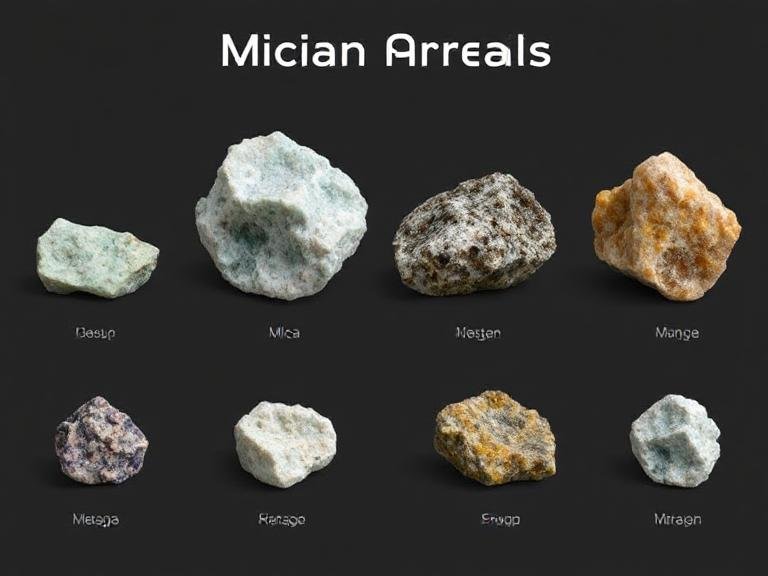
Before storing crushed mica, it’s crucial to classify it based on various factors such as particle size, grade, or intended use. This classification helps in organizing the inventory systematically, making it easier to locate specific types of mica when needed. Proper classification also reduces the risk of cross-contamination between different grades or types of crushed mica.
Establishing a Classification System
- Particle Size Segregation: Divide the crushed mica into categories based on particle size ranges. For instance, you can have separate sections for fine, medium, and coarse particles. This ensures that each type of mica is stored in a designated area, facilitating quick retrieval.
- Grade Differentiation: If your crushed mica comes in different grades, classify them accordingly. Higher-grade mica may require more secure storage conditions to prevent contamination, while lower grades can be stored in more accessible areas.
- Intended Use Categorization: Consider classifying the mica based on its intended application, such as electrical insulation, paint filler, or cosmetics. This allows for efficient batch management and ensures that the right type of mica is used for the right purpose.
Optimizing Shelving Layout for Classified Crushed Mica
Once you have a classification system in place, the next step is to optimize the shelving layout to accommodate the different categories of crushed mica.
Designing Dedicated Storage Zones
- Zone Allocation: Assign specific zones on the shelving for each category of crushed mica. For example, allocate the top shelves for fine particles, middle shelves for medium particles, and bottom shelves for coarse particles. This vertical arrangement makes it easier to access the most frequently used items without having to move heavier or bulkier containers.
- Labeling System: Implement a clear and consistent labeling system for each storage zone. Use durable labels that can withstand the storage environment and include information such as particle size, grade, and intended use. This ensures that anyone accessing the shelving can quickly identify the contents of each container.
- Accessibility Considerations: Ensure that the shelving layout allows for easy movement of personnel and equipment. Leave sufficient aisle space between shelves to accommodate forklifts or pallet jacks if needed. Also, consider the height of the shelves to ensure that all items are within reach without requiring excessive stretching or climbing.
Utilizing Storage Containers Effectively
- Container Selection: Choose appropriate storage containers for the crushed mica based on its properties. For instance, use airtight containers to prevent moisture absorption for mica that is sensitive to humidity. Ensure that the containers are durable and can withstand the weight of the mica without breaking or leaking.
- Stacking Strategy: When stacking containers on the shelving, follow a logical and stable stacking strategy. Place heavier containers at the bottom and lighter ones on top to prevent tipping. Also, ensure that the containers are stacked neatly to maximize storage space and minimize the risk of accidents.
- Inventory Tracking: Implement an inventory tracking system to keep track of the quantity and location of each type of crushed mica. This can be done manually using a logbook or electronically using inventory management software. Regularly update the inventory records to reflect any changes in stock levels or locations.
Maintaining and Monitoring the Storage Environment
Proper maintenance and monitoring of the storage environment are crucial to ensure the long-term quality of the crushed mica.
Environmental Control Measures
- Temperature and Humidity Regulation: Maintain optimal temperature and humidity levels in the storage area to prevent degradation of the crushed mica. Use dehumidifiers or humidifiers as needed to control humidity, and ensure proper ventilation to prevent the buildup of heat or moisture.
- Dust and Contamination Prevention: Implement measures to prevent dust and contamination from entering the storage area. This can include using dust covers for the shelving, installing air filters, and keeping the storage area clean and tidy. Regularly inspect the containers for signs of damage or leakage and replace them if necessary.
- Pest Control: Take steps to prevent pests such as rodents or insects from accessing the crushed mica. Seal any gaps or cracks in the storage area, and consider using pest repellents or traps if needed. Regularly inspect the storage area for signs of pest activity and take prompt action if any are detected.
Regular Inspections and Maintenance
- Shelving Inspection: Regularly inspect the shelving for signs of damage or wear, such as bent or broken shelves, loose fasteners, or rust. Repair or replace any damaged components promptly to ensure the stability and safety of the shelving.
- Container Inspection: Inspect the storage containers regularly for signs of damage, leakage, or contamination. Replace any damaged containers immediately to prevent the spread of contamination to other items. Also, check the seals on airtight containers to ensure they are still effective.
- Inventory Audits: Conduct regular inventory audits to verify the accuracy of the inventory records and identify any discrepancies. This can help you detect issues such as theft, misplacement, or spoilage early on and take appropriate action to address them.
By following these methods for managing classified crushed mica on shelving, you can ensure efficient storage operations, maintain the quality of the mica, and facilitate easy access when needed.