
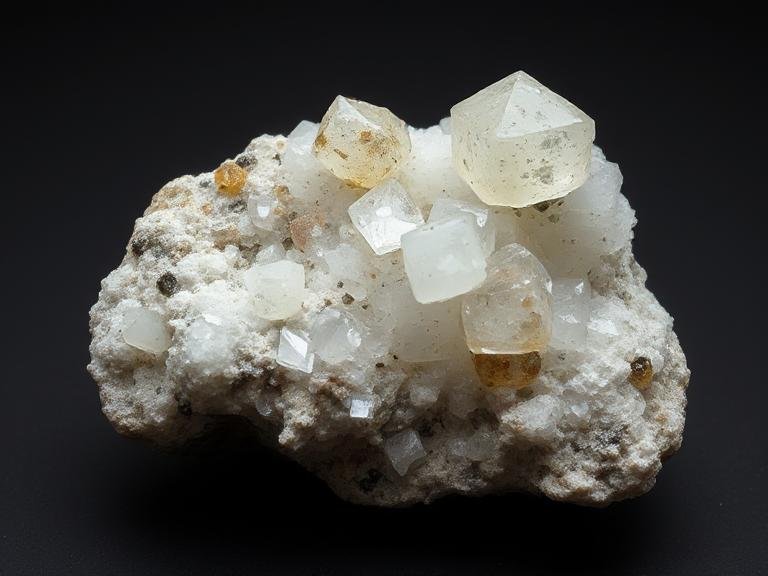
Specifications for Mica Sheets in High-Voltage Switchgear to Prevent Leakage
High-voltage switchgear demands materials that ensure electrical insulation, thermal stability, and mechanical durability under extreme conditions. Mica sheets, derived from natural minerals like muscovite or phlogopite, are widely used in such applications due to their unique properties. Below are key specifications and considerations for selecting and using mica sheets in high-voltage switchgear to prevent leakage.
Electrical Insulation Performance
Mica sheets excel in electrical insulation, making them ideal for high-voltage environments.
- Dielectric Strength: Mica sheets typically exhibit dielectric strengths ranging from 20 to 40 kV/mm, depending on their composition and thickness. This high resistance to electrical breakdown ensures reliable operation even under sustained high voltages.
- Surface and Volume Resistivity: Mica sheets maintain surface resistivity values above 10¹¹ Ω and volume resistivity exceeding 10¹⁵ Ω·cm. These values prevent current leakage, reducing the risk of short circuits or electrical failures.
- Insulation Class: For high-voltage switchgear, mica sheets are often classified as Class H (up to 180°C) or higher, ensuring they withstand thermal stress without degrading insulation properties.
Thermal and Mechanical Stability
High-voltage switchgear generates significant heat during operation, requiring materials that can endure thermal cycling without compromising performance.
- Thermal Conductivity: Mica sheets have low thermal conductivity (0.001–0.0015 W/m·K), which helps isolate hot components from sensitive areas, reducing the risk of thermal-induced leakage.
- Heat Resistance: Mica sheets can withstand continuous temperatures up to 600°C and intermittent spikes exceeding 1,000°C, depending on their grade. This makes them suitable for switchgear exposed to arcing or overheating.
- Mechanical Strength: Mica sheets resist bending, impact, and vibration, ensuring they maintain structural integrity in dynamic environments. Their layered structure also allows them to absorb mechanical stress without cracking.
Material Composition and Thickness
The performance of mica sheets in high-voltage applications depends on their composition and thickness.
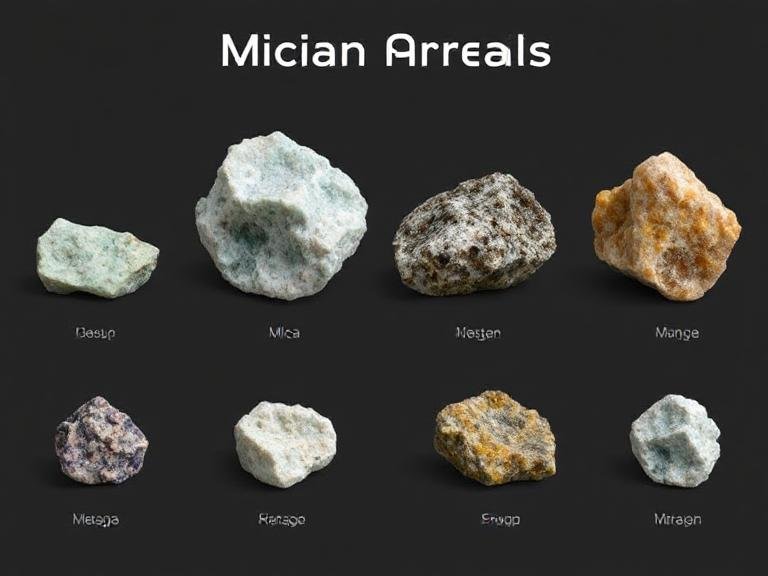
- Muscovite vs. Phlogopite: Muscovite mica offers superior electrical insulation, while phlogopite provides better thermal stability. Hybrid compositions balance both properties for switchgear applications.
- Thickness Range: Mica sheets for high-voltage switchgear are typically available in thicknesses from 0.1 mm to 5 mm. Thinner sheets (0.1–0.5 mm) are used for tight spaces like motor windings, while thicker sheets (1–5 mm) provide robust insulation for busbars or contactors.
- Layering: Multi-layered mica sheets, bonded with high-temperature adhesives, enhance insulation and mechanical strength. This approach is common in switchgear requiring compliance with strict safety standards.
Application-Specific Customization
High-voltage switchgear designs vary, necessitating customized mica sheet solutions.
- Cutting and Shaping: Mica sheets can be precision-cut into complex shapes to fit specific components, such as arc chutes or insulation barriers. Laser cutting or waterjet machining ensures clean edges without compromising material integrity.
- Surface Treatments: Some applications require mica sheets with anti-corrosive coatings or hydrophobic finishes to prevent moisture ingress, which could lead to leakage or tracking.
- Integration with Other Materials: Mica sheets are often combined with ceramics, epoxy resins, or glass fibers to create composite insulation systems. These hybrids offer enhanced performance in high-humidity or chemically aggressive environments.
Compliance with Industry Standards
Mica sheets used in high-voltage switchgear must adhere to international safety and quality standards.
- IEC 60664-1: This standard defines insulation coordination for electrical equipment, including requirements for dielectric strength and thermal endurance.
- ASTM D351: Specifies testing methods for mica-based materials, ensuring consistency in performance across manufacturers.
- UL 1446: For switchgear used in North America, mica sheets must comply with UL 1446, which evaluates thermal aging and electrical insulation under simulated operating conditions.
By adhering to these specifications, engineers and manufacturers can select mica sheets that effectively prevent leakage in high-voltage switchgear, ensuring safety, reliability, and longevity in demanding electrical systems.