

Effective Moisture-Proof Storage Methods for Mica Ore Specimens
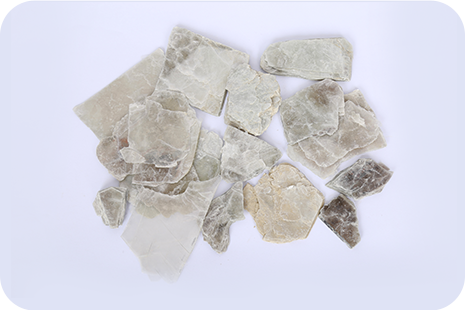
Mica ore specimens, valued for their layered structure and industrial applications, require meticulous moisture control to prevent physical degradation and chemical instability. Exposure to humidity can lead to surface cracking, layer separation, and loss of electrical insulation properties, compromising their scientific and industrial value. This guide outlines practical strategies to maintain specimen integrity through environmental regulation, packaging optimization, and proactive monitoring.
Understanding the Risks of Moisture Exposure
Mica’s layered aluminum silicate structure makes it susceptible to water absorption, especially at edges and cleavage planes. When relative humidity exceeds 60%, moisture infiltrates these layers, weakening intermolecular bonds and causing mechanical failure. For instance, prolonged exposure to high humidity can reduce mica’s tensile strength by over 10%, as observed in industrial studies. Additionally, moisture fosters microbial growth, leading to surface mold and irreversible staining.
Temperature and Humidity Control
Maintaining stable environmental conditions is critical. Ideal storage temperatures range between 15–25°C, with humidity kept below 50% to minimize water uptake. In regions with extreme climates, such as coastal areas or regions with heavy rainfall, climate-controlled storage units equipped with dehumidifiers are essential. For example, a warehouse in a tropical region might use industrial-grade dehumidifiers to stabilize humidity at 40% RH, preventing condensation on specimen surfaces.
Avoid rapid temperature fluctuations, as thermal expansion and contraction accelerate layer separation. Use thermal insulation materials on storage shelves to buffer against external temperature changes. In cold environments, prevent condensation by maintaining airflow and avoiding direct contact between specimens and cold surfaces.
Advanced Packaging Solutions
Traditional paper or woven bags offer limited protection against moisture. Instead, opt for multi-layer composite packaging, such as aluminum foil bags or plastic-laminated films, which reduce water vapor transmission rates by up to 90%. Ensure packaging is airtight by using heat-sealing techniques or vacuum sealing to eliminate residual air.
Incorporate desiccants like silica gel or molecular sieves inside packaging to absorb trace moisture. Calculate desiccant quantity based on package volume and storage duration—typically 50–100 grams per cubic meter for long-term storage. Place desiccants in separate compartments to prevent powder contamination of specimens. For high-value specimens, consider oxygen absorbers to inhibit oxidative degradation alongside desiccants.
Storage Layout and Handling Protocols
Optimizing Spatial Arrangement
Store specimens on elevated platforms, such as plastic or metal pallets, to avoid ground moisture absorption. Avoid wooden pallets, which can retain water and promote fungal growth. Leave a 10–15 cm gap between stacks to enhance air circulation and reduce humidity buildup. Use plastic dividers or shelves to organize specimens by size and type, preventing physical damage during retrieval.
In multi-tier storage systems, prioritize humidity-sensitive specimens on upper shelves, where air circulation is better. Label containers with storage dates and humidity-sensitivity levels to facilitate rotation and inspection. For large collections, implement a zone-based system, isolating high-risk specimens in areas with stricter environmental controls.
Handling and Inspection Routines
Train personnel in moisture-aware handling techniques, such as wearing gloves to avoid transferring skin oils and moisture to specimens. Use dedicated tools, like non-abrasive spatulas, to move specimens without causing edge damage. During inspections, check for signs of moisture ingress, such as warping, discoloration, or mold spots.
Schedule regular audits to assess packaging integrity and environmental conditions. Replace damaged packaging immediately and recalibrate humidity-control equipment as needed. For long-term archives, conduct periodic material testing, such as X-ray diffraction or moisture content analysis, to verify specimen stability.
Leveraging Technology for Enhanced Protection
Smart Monitoring Systems
Install IoT-enabled sensors to continuously track temperature, humidity, and light exposure in storage areas. These devices transmit real-time data to cloud platforms, triggering alerts when thresholds are breached. For example, a sensor network in a geological museum might notify staff if humidity rises above 45% RH, enabling prompt corrective action.
Pair sensors with automated climate-control systems, such as smart dehumidifiers or HVAC units, to maintain optimal conditions without manual intervention. Some advanced systems use machine learning to predict environmental fluctuations and adjust settings proactively, reducing the risk of moisture damage.
Protective Coatings and Surface Treatments
Apply hydrophobic coatings, such as nano-silica or fluoropolymer sprays, to specimen surfaces to repel water. These coatings form an invisible barrier that reduces water absorption by up to 70% without altering mica’s optical or electrical properties. For archival-quality specimens, opt for UV-resistant coatings to prevent light-induced degradation alongside moisture protection.
Test coatings on a small sample before full application to ensure compatibility with mica’s chemical composition. Reapply coatings every 2–3 years, or as recommended by the manufacturer, to maintain effectiveness. Store coated specimens separately from uncoated ones to avoid cross-contamination.
By integrating environmental control, advanced packaging, and technology-driven monitoring, institutions can safeguard mica ore specimens against moisture-related degradation. These strategies not only preserve scientific and historical value but also ensure specimens remain viable for research and industrial applications for decades to come.